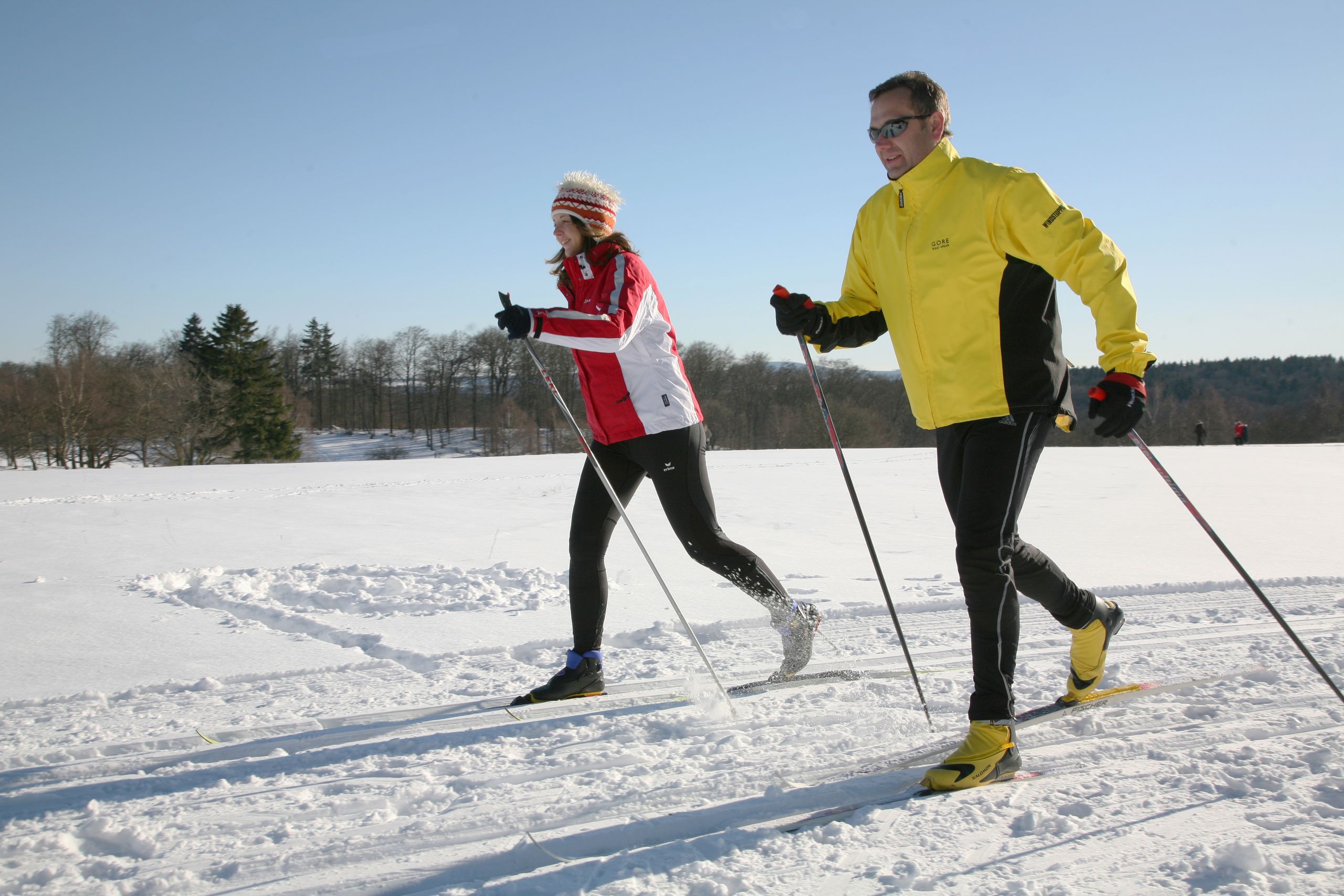
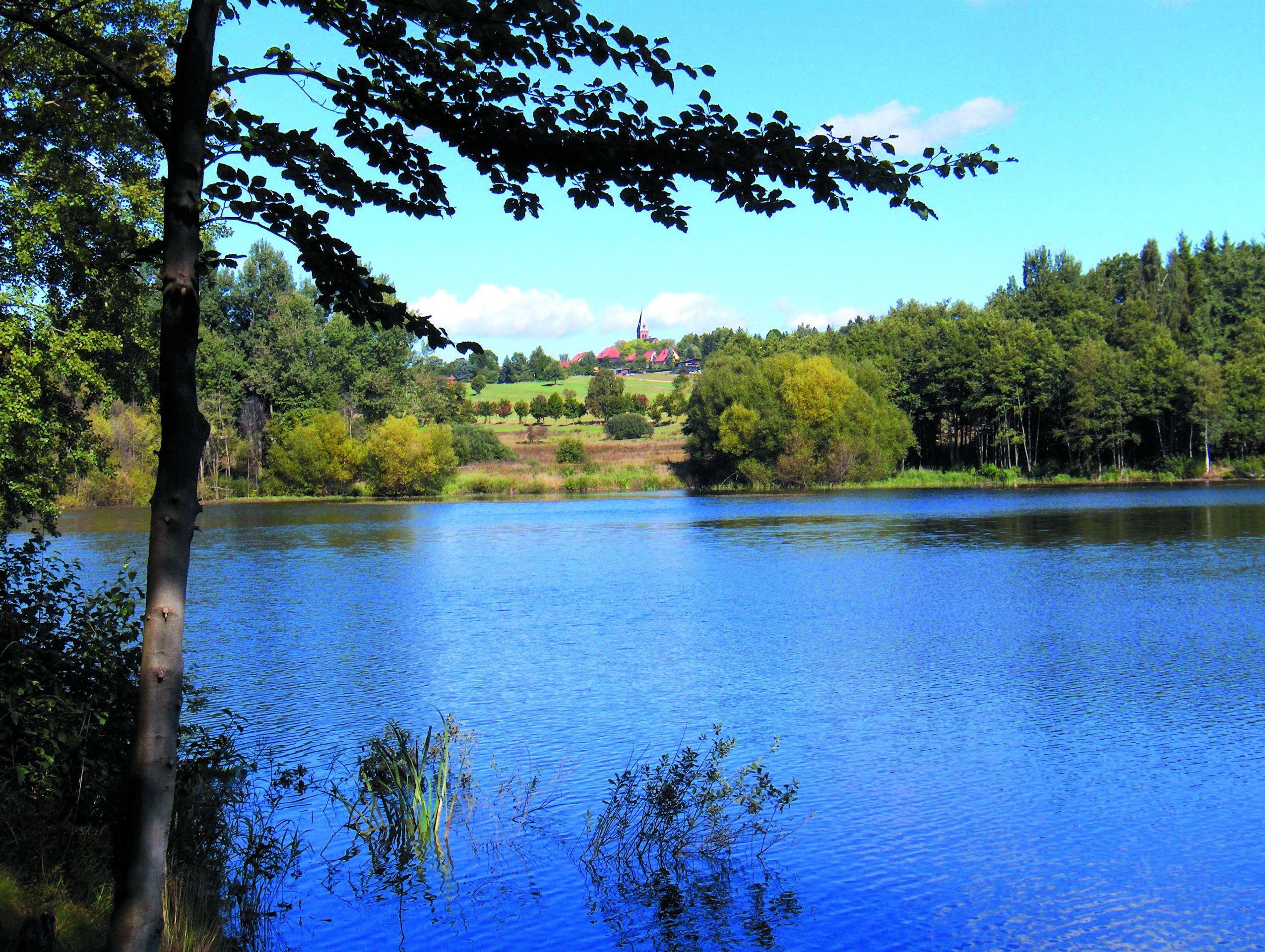
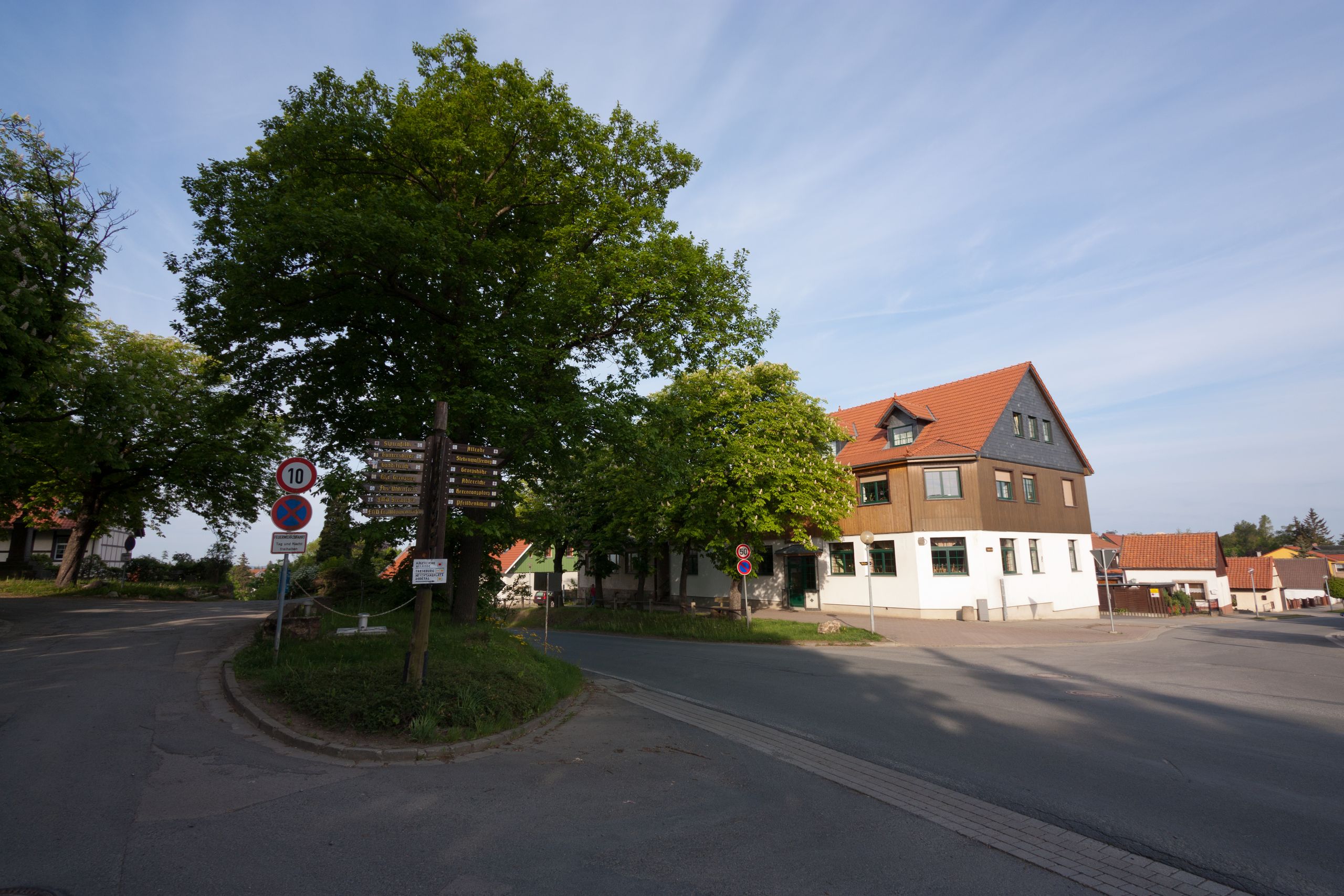
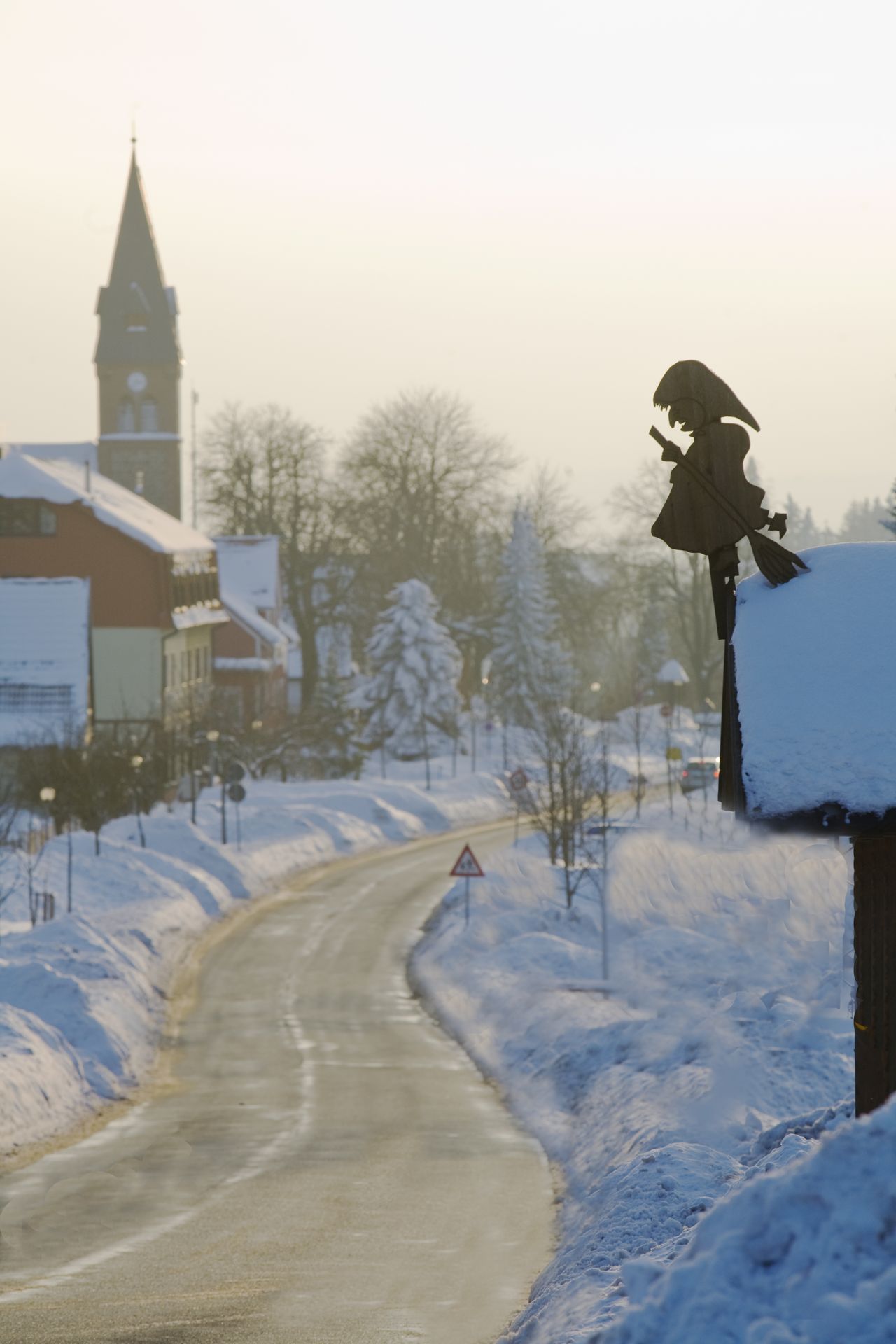
Surrounded by vast forests and meadows, Friedrichsbrunn has developed into a popular vacation destination for hikers and winter sports enthusiasts since German reunification. Investments in tourism infrastructure, including the redesign of the spa gardens and the expansion of the cross-country ski trail network, have further enhanced the town’s appeal. You can find more information on the winter sports page for Friedrichsbrunn.
Thanks to its favorable climatic and bioclimatic conditions, as well as its high air quality, Friedrichsbrunn was designated a state-recognized climatic health resort in May 2010.
Located 533 meters above sea level on the southeastern edge of the Bode Valley, this relatively young town nevertheless has a long history. As early as the 11th century, there was a resting place here by a spring along the military road between Quedlinburg and Nordhausen.
Friedrichsbrunn’s development as a tourist destination began in 1884, when the first summer visitors spent their vacations in the town. Even before World War I, Friedrichsbrunn was designated a high-altitude climatic health resort. During this period, two sanatoriums, three larger hotels, and numerous smaller guesthouses were built.
In 1949, Friedrichsbrunn was recognized as a “climatic health resort and winter sports destination.” Until 1990, the town hosted around 20,000 vacationers and spa patients annually.
On 23 November 2009, the previously independent municipality was incorporated into the town of Thale. Today, Friedrichsbrunn, together with Allrode, Almsfeld, Altenbrak, Neinstedt, Stecklenberg, Treseburg, Warnstedt, Weddersleben, Wendefurth and Westerhausen, forms the Bodetal holiday region in the Sagenharz.