fotoweberei, Luca Weber | CC-BY

Initiative "Der Wald ruft" 

The forest is calling – don’t ignore it!

In recent years, droughts, storms and other weather extremes have destroyed large parts of the spruce forests in the Harz. This allowed the bark beetle to spread massively. On the open areas that have emerged, a new forest is now growing – but its future look remains uncertain. 

The initiative “The Forest Calls” aims to inform guests, locals and anyone interested about these developments and involve them in the visible changes. The goal is to sharpen awareness of the natural processes in the forest. This also includes explaining the different strategies used in commercial forests and in Harz National Park, each setting its own priorities. 

Overview:

Well informed!

Whether a tourist or a local, here you’ll find up-to-date information about the forest situation, background details, and offers related to the changes in the forest. Before your visit, check the notes on trail closures to plan your tour well.

Photo spots #theforestiscalling

Landesforstbetrieb Sachsen-Anhalt | CC-BY-SA

Backgrounds 

on the forest situation

Niedersächsische Landesforsten & Fa. movit | CC-BY-SA

The most frequently asked questions

The Forest Etiquette

How should you behave properly in the forest?

The forest is a natural area that is constantly changing. It reacts to climatic and weather conditions and keeps developing further. You may enter it for nature-friendly recreation, but you should keep a few things in mind.  

Watch out for possible dangers typical of the forest and follow the current rules of conduct. Wear sturdy shoes and clothes suitable for the weather. Remember that you always enter the forest at your own risk.  

Severe weather

When hiking in the forest, it’s important to stay alert. Branches can break from the treetops at any time, and there are often stones or exposed roots on the paths. Avoid visiting the forest during storms or severe weather. In case of a thunderstorm, keep your distance from tall solitary trees, as there is a greater risk of lightning strikes. Even after a storm, there is still danger from falling branches or collapsing trees.

Stay on the paths

When you visit the forest, stay on the marked hiking paths. This way, you protect yourself and also help to preserve nature. Keep in mind that, besides the usual dangers in the forest, there may sometimes be restrictions due to forestry work or hunting activities.

#TakeItWithYou

Please don’t leave your rubbish in the forest — take it with you or dispose of it in the designated waste and recycling bins.

More details

Fire

Open fires are strictly prohibited in the forest due to the increased risk of forest fires. Use only the designated fire pits. When leaving the fire site, make sure that the fire is completely extinguished.


More information

No smoking

Please follow the smoking ban in the forest.

Throwing away burning or smouldering objects is strictly forbidden.

Noise level

Please keep quiet in the forest and be considerate of the animals and other visitors.

Plant protection

Treat plant life with care. If you're not sure whether plants, mushrooms or berries are safe, please leave them in the forest.

Dog leash requirement

Dogs must be kept on a leash.

Consideration

Please use the paths designated for cycling and be considerate of hikers.

Parking

Please only use the designated car parks.

Parking at forest entrances or on forest paths may block access for emergency vehicles or timber transport. In addition, driving on forest paths is reserved for forestry vehicles and forest owners.

Closures & diversions

Please make sure to follow the signposted diversions and do not enter any closed paths or areas! This especially includes entering restricted areas during logging, forestry & hunting operations, using hunting facilities such as raised hides, as well as climbing on wood stacks (timber storage areas).

Find out more

Forest laws

Please also observe the respective forest laws of the federal states of Lower Saxony, Saxony-Anhalt and Thuringia, as well as the specific rules of conduct in nature reserves and in the Harz National Park area.

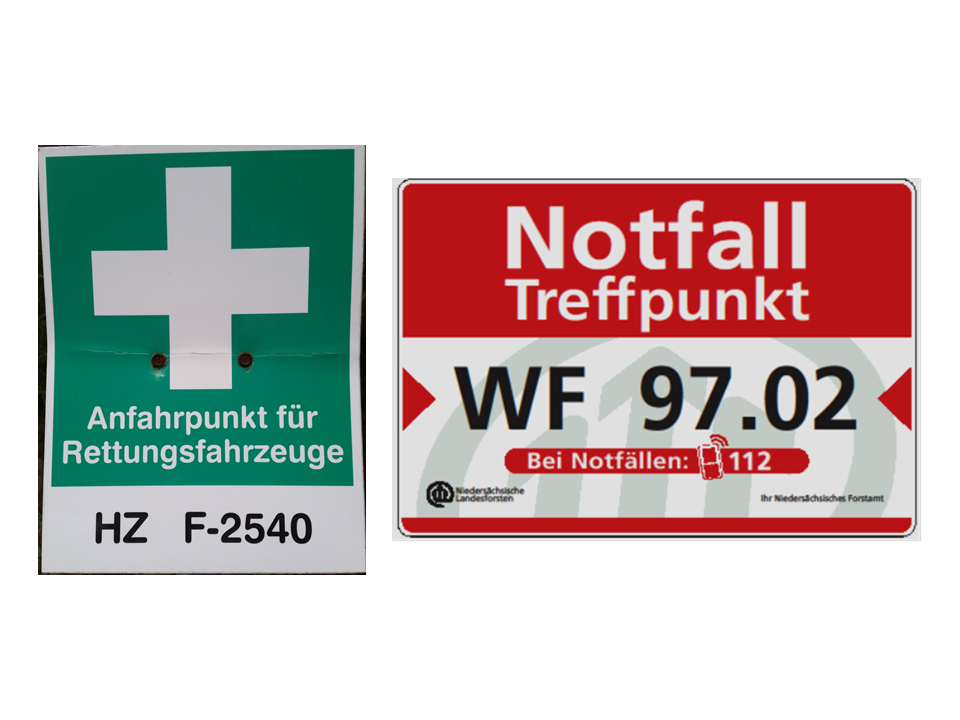
Emergencies

In case of an emergency, please try to provide the nearest designated rescue point.

If possible, remember or note down the letter-number combination indicated at the rescue points.

Donation options

A tree that falls makes more noise than a forest that grows.
Proverb from Tibet

Partner of the initiative

You might also be interested in:

Harzer Wandernadel

Harz National Park