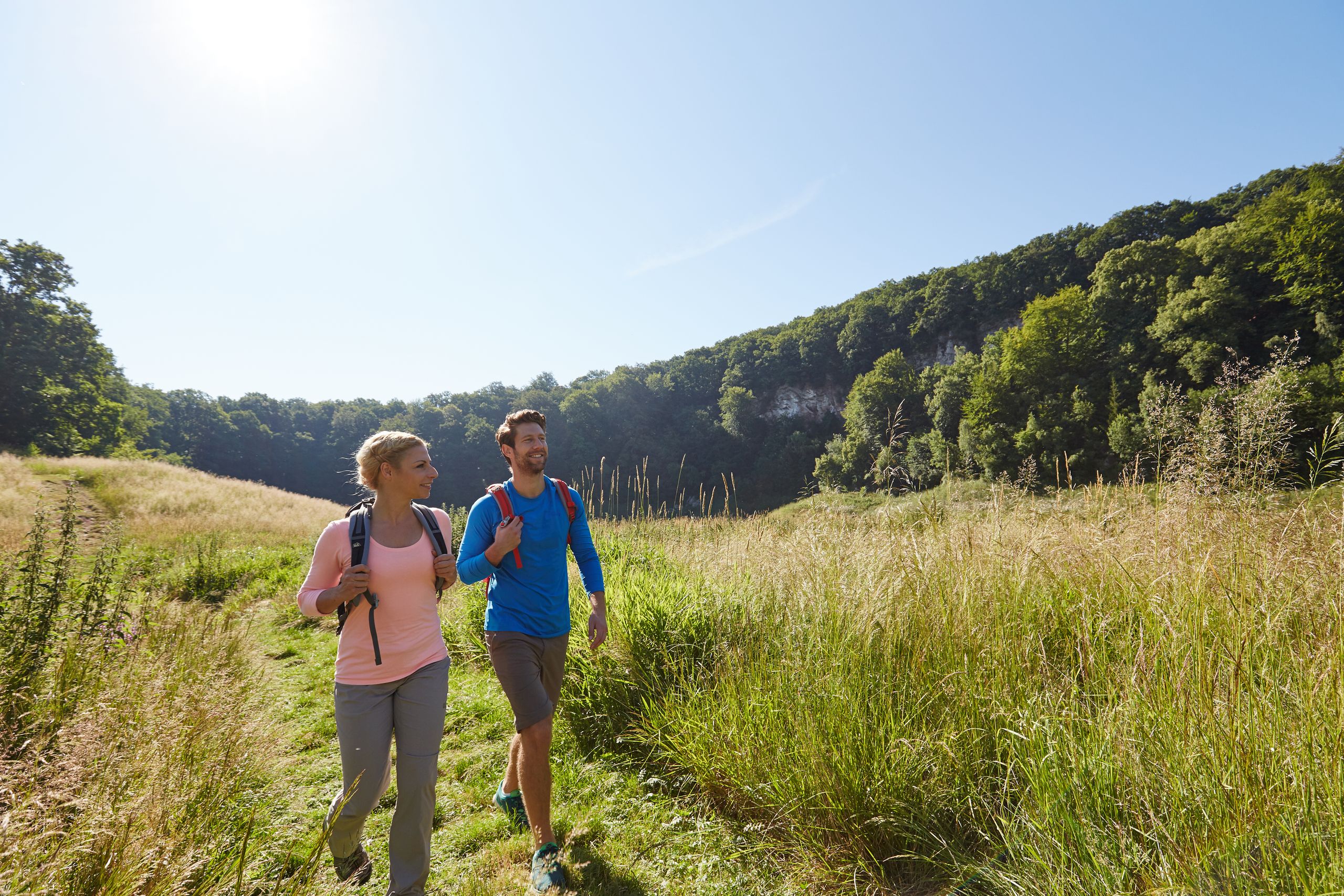
The Karst Landscape South Harz Biosphere Reserve lies between the European city of Stolberg in the west and the Rose City of Sangerhausen in the east. It is considered a retreat for everyone looking for peaceful landscapes. In spring, dense carpets of white wood anemones grow here, while wild garlic forests spread their fragrance in between. Pink-blossomed fruit trees, blue cornflowers and red poppy fields stretch across the wide area.
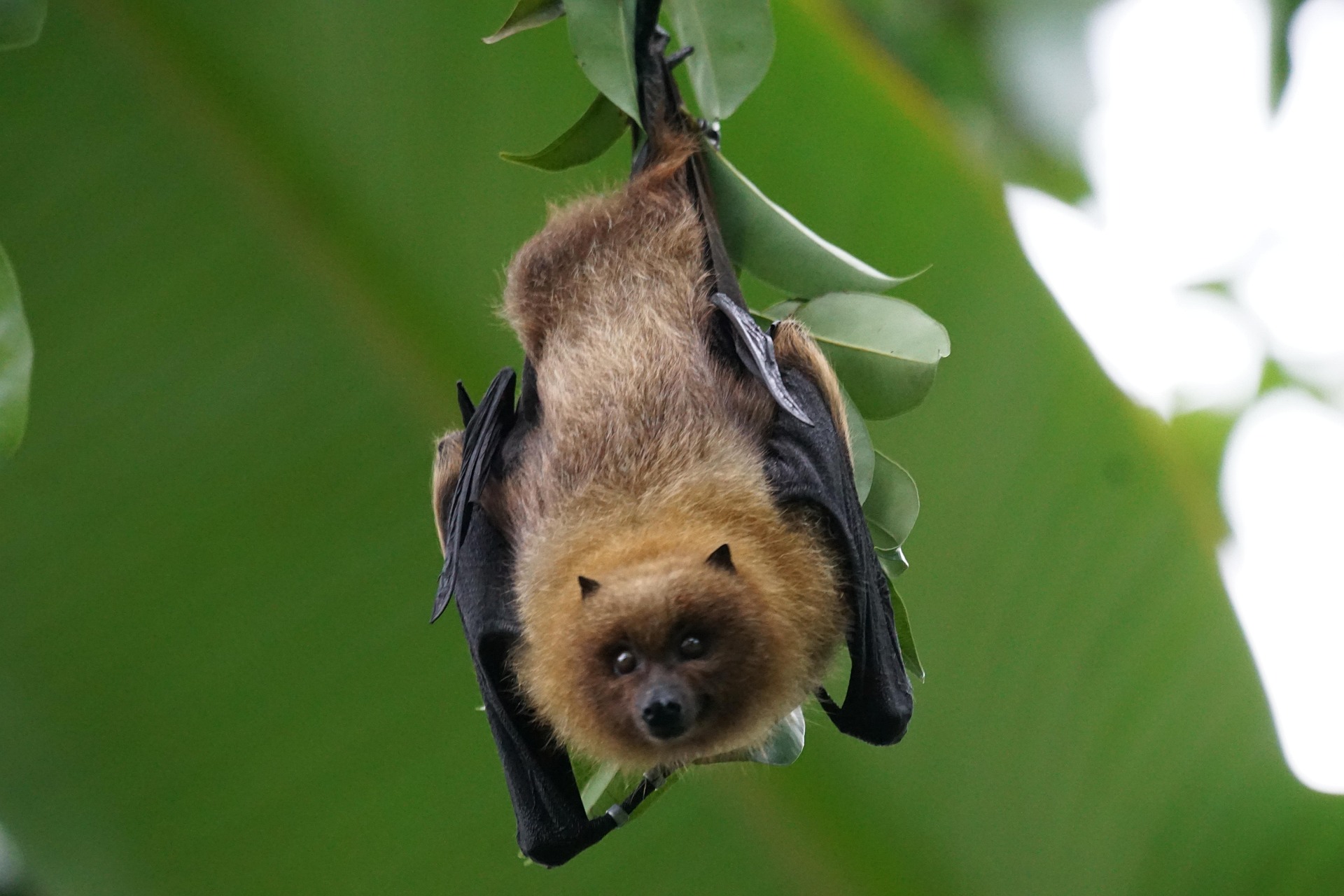
The reserve includes one of the most important gypsum karst landscapes in Europe. Adder, fire salamander, black stork and eagle owl live here. The wildcat also roams the orchid beech forests, while bats find shelter in the many caves. Sheep and goats keep the sunlit orchards open.
More than 250 million years ago, this area was once the bottom of a tropical sea. The sea disappeared, but the Zechstein deposits remained as thick salt layers. Through weathering, gypsum formations developed from them. Water penetrates the ground and dissolves dolomite, gypsum, and limestone. This creates caves, sinkholes and depressions. Dry streambeds, so-called swallow holes, indicate where water once flowed. These processes still shape the distinctive features of the karst landscape in the South Harz today.