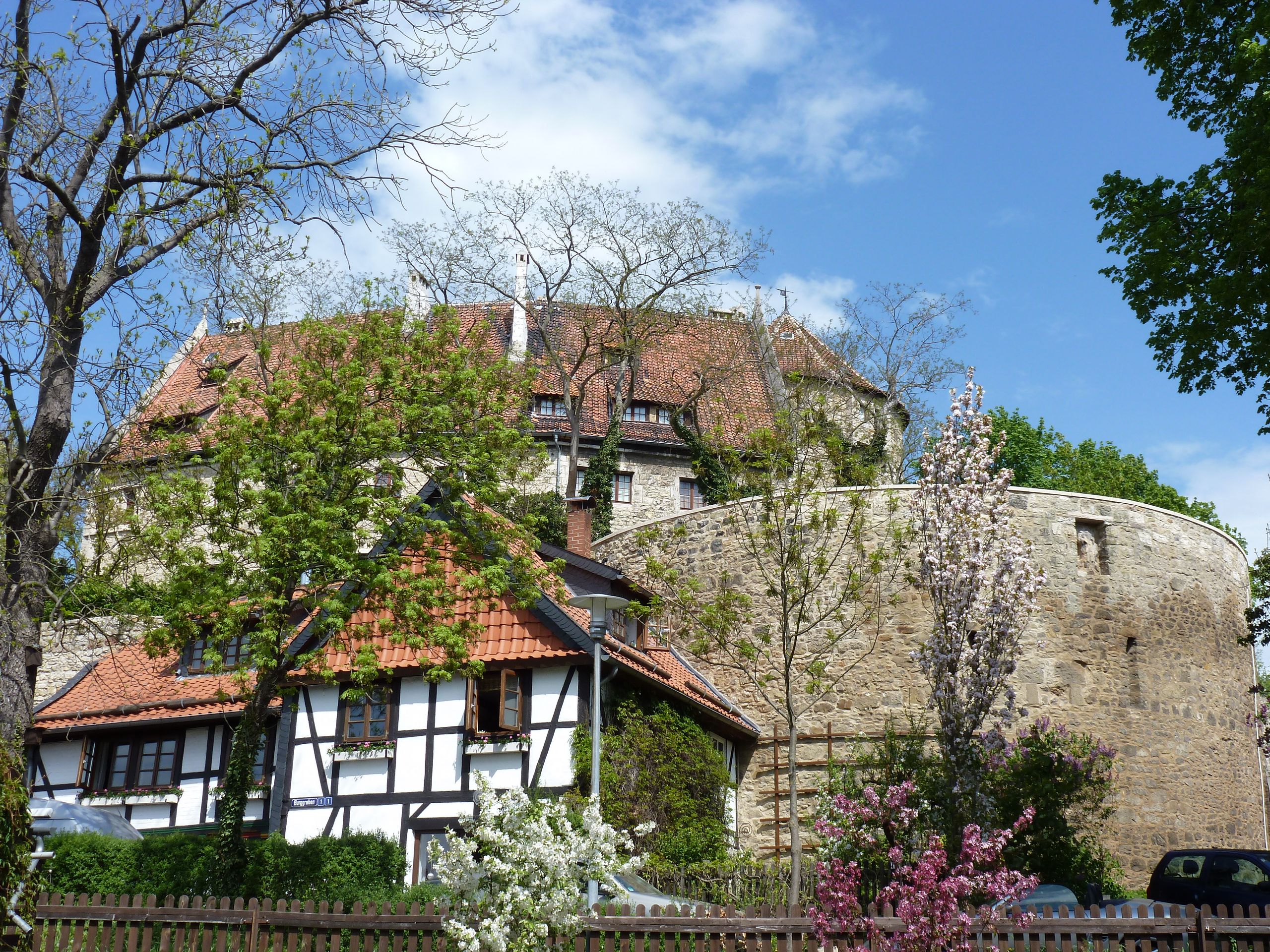
Hornburg lies in the northern foothills of the Harz Mountains, nestled in the Ilse Valley, between Braunschweig and Bad Harzburg. The town was founded around 1000 years ago and is the birthplace of Pope Clement II.
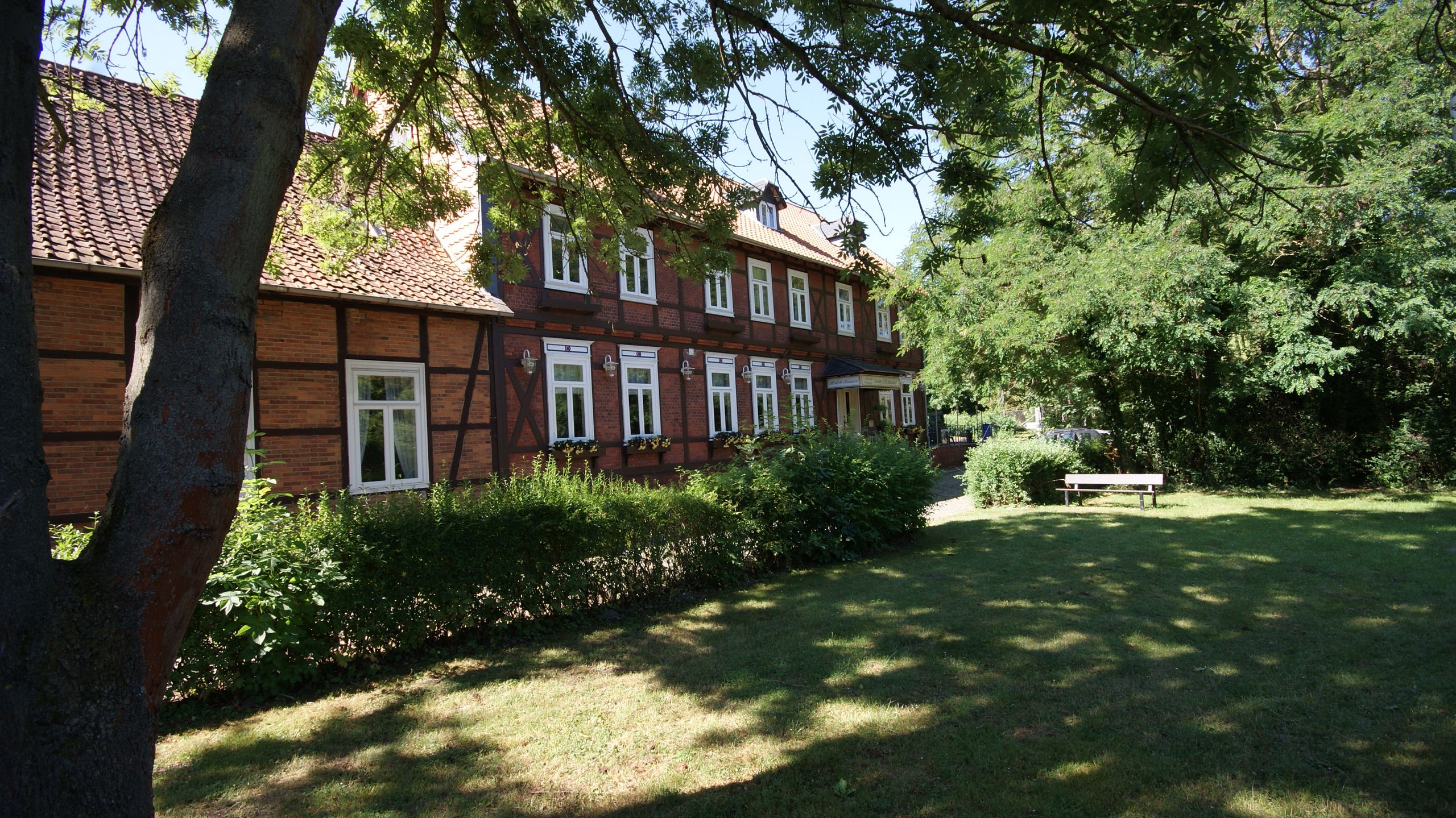
The medieval old town is a listed heritage site and includes around 400 half-timbered houses. Among them are numerous Renaissance buildings with façades decorated with fine carvings. Examples include the Neidhammel House from 1563, the Stork House from 1560, the former Jewish community school, and today’s Apelroth shoe shop on the marketplace. They date back to a time when hop growing and trade brought great prosperity to the town.
In the local history museum, one room is dedicated specifically to Pope Clement II. The “Pope Clement Memorial Room” displays exhibits and information about his life. Other parts of the museum are dedicated to the history of the town and castle, half-timbered architecture in the region, and various crafts.
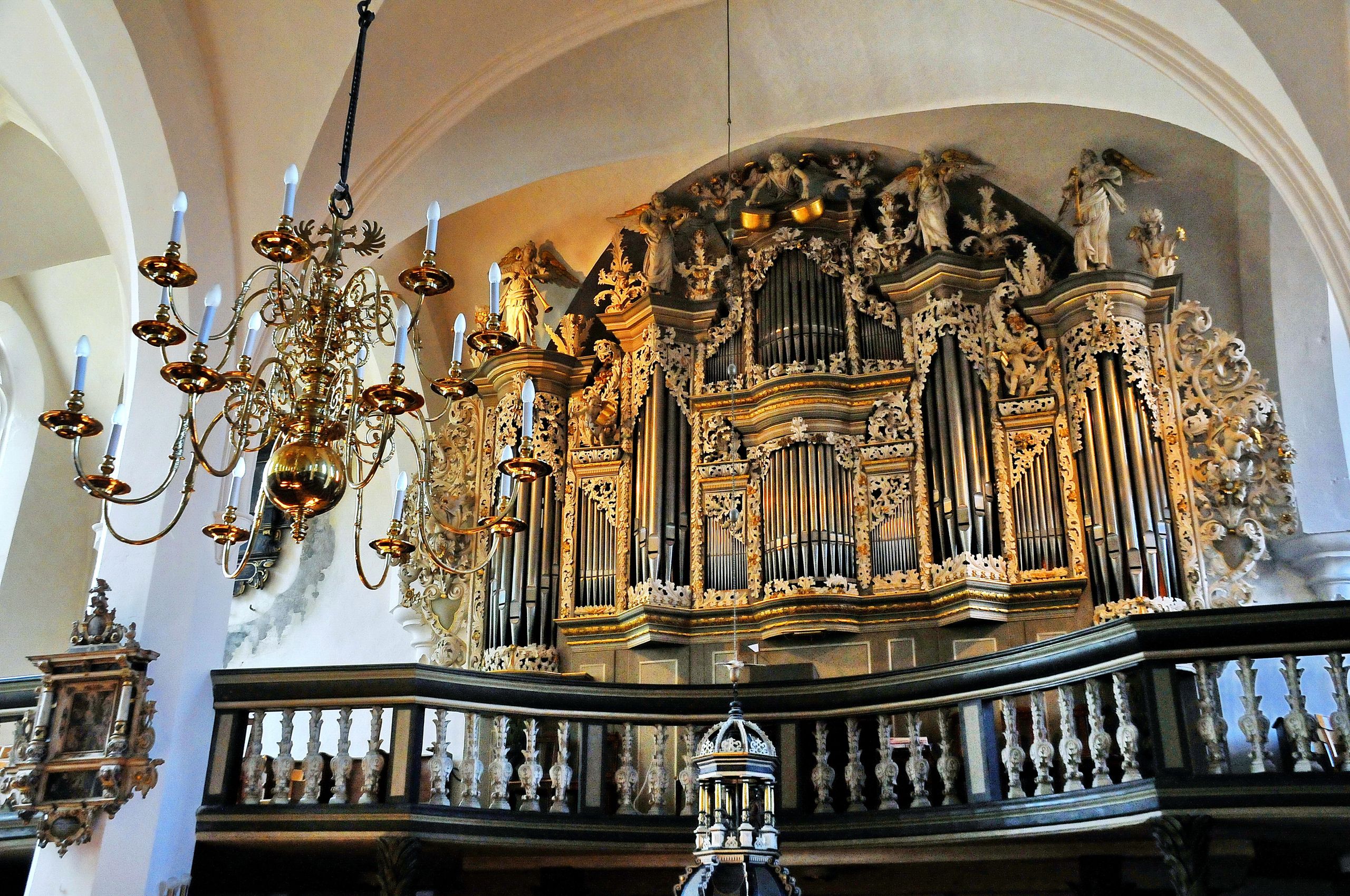
The historic buildings of the town also include the Protestant Church of St Mary from 1616, the Dammtor Gate, the Hagen Mill and the Catholic Church of St Clement, which was consecrated in 1977 in memory of Pope Clement II.
In various places around the town, you can discover more than 30 objects in the “Garden for the Senses”, inviting you to see, hear, touch and smell.
Well-developed cycling and hiking trails around Hornburg lead through the Große Bruch, the Ilse Valley and the Oker Meadowlands. They continue to the Probsteiholz, an ant and bird protection area, and along the Green Belt. The newly established nature park “Hornburg – Großes Bruch – Fallstein” forms a distinctive centre of the landscape.