In 1904, today's Harz Montain Tourist Board was founded under the name Harz Transport Association. It originated from the booming travel industry at the turn of the century. This was favoured on the one hand by the rapid expansion of rail transport, and on the other by the discoveries about the special effects of the different healing climates. After the rail network was connected to the major cities, the Harz could initially only partially benefit from the growing desire to travel and suffered from competition with other regional recreational areas, which advertised themselves intensively with brochures and posters.
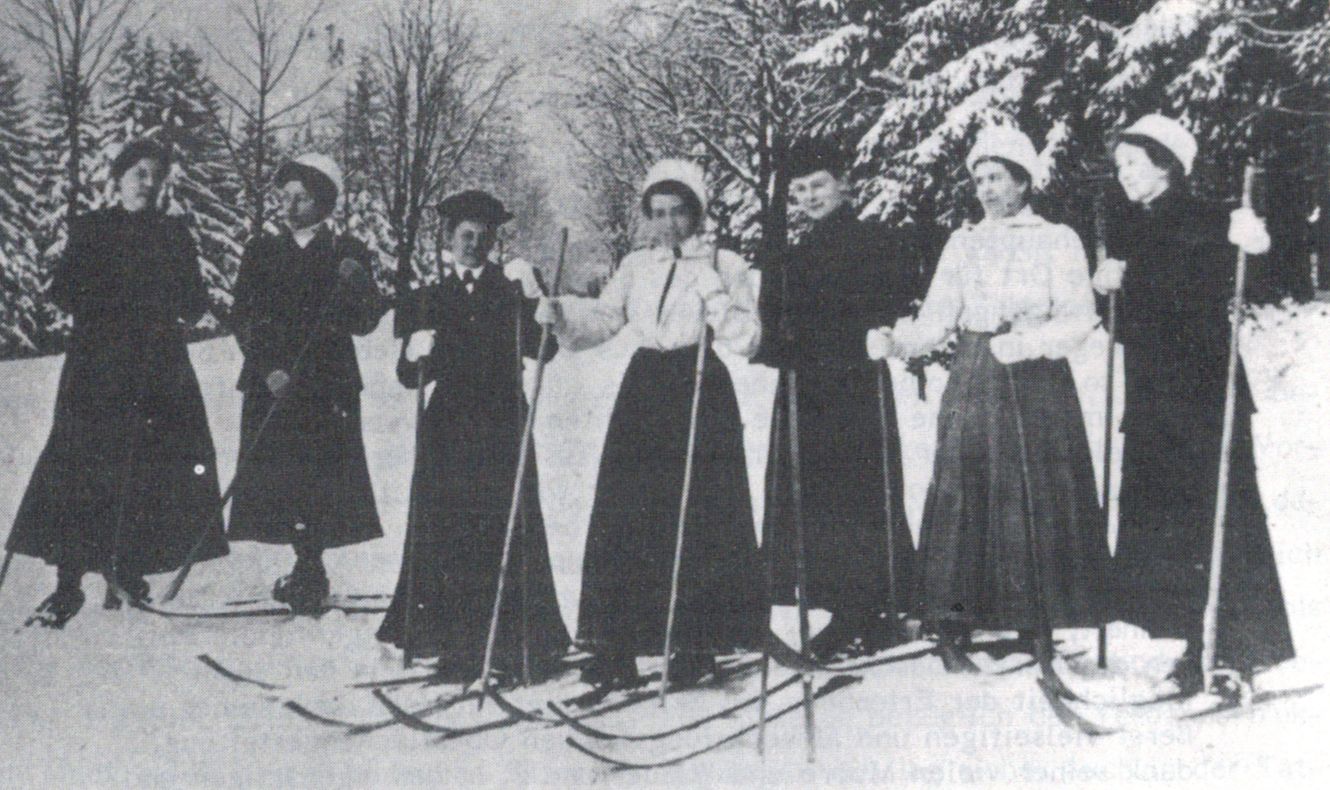
During his travels, the ducal bathing commissioner Ernst Dommes from Bad Harzburg also noticed that the Harz region was still little known due to a lack of “propaganda”. So, in December 1903, he suggested in a letter to his colleagues a meeting that should focus on the joint promotion of the region. The stated goal “(...) that a similar ‘general’ advertising campaign should be initiated for the Harz as well, with the special interests of individual towns naturally having to be excluded from the outset ...” motivated around 50 representatives from Harz towns to gather in Goslar on 5 January 1904 for a first preliminary meeting. Dommes’ proposal to establish an association for general promotion met with great approval. At the same time, a working committee was formed to prepare the founding of the association and to define its field of work.
On 3 March 1904, this committee invited participants to a decision-making general assembly in Bad Lauterberg. As a result, the founding of the “Harzer Verkehrsverband” (HVV) was sealed, Bad Harzburg was chosen as the location of the office, and bathing commissioner Dommes was unanimously elected as the first chairman. With immediate effect, 25 towns declared their membership.
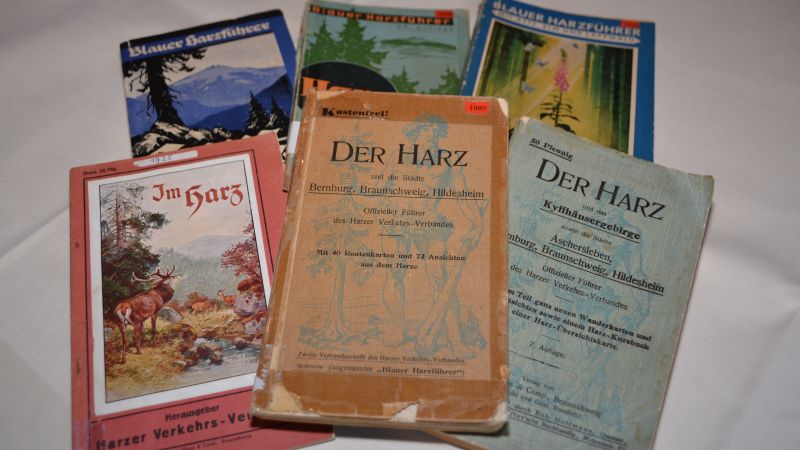
In the first years after its founding, the association’s work focused mainly on publishing promotional materials such as “Journey through the Harz” or the “Blue Harz Guide”, as well as developing railway and bus connections to the Harz. During the war years 1914–1918, the association’s work was adapted to the circumstances. Under the slogan “Healing and relaxation in the Harz”, promotional activities continued. At that time, the association had to deal intensively with supply shortages caused by the war.
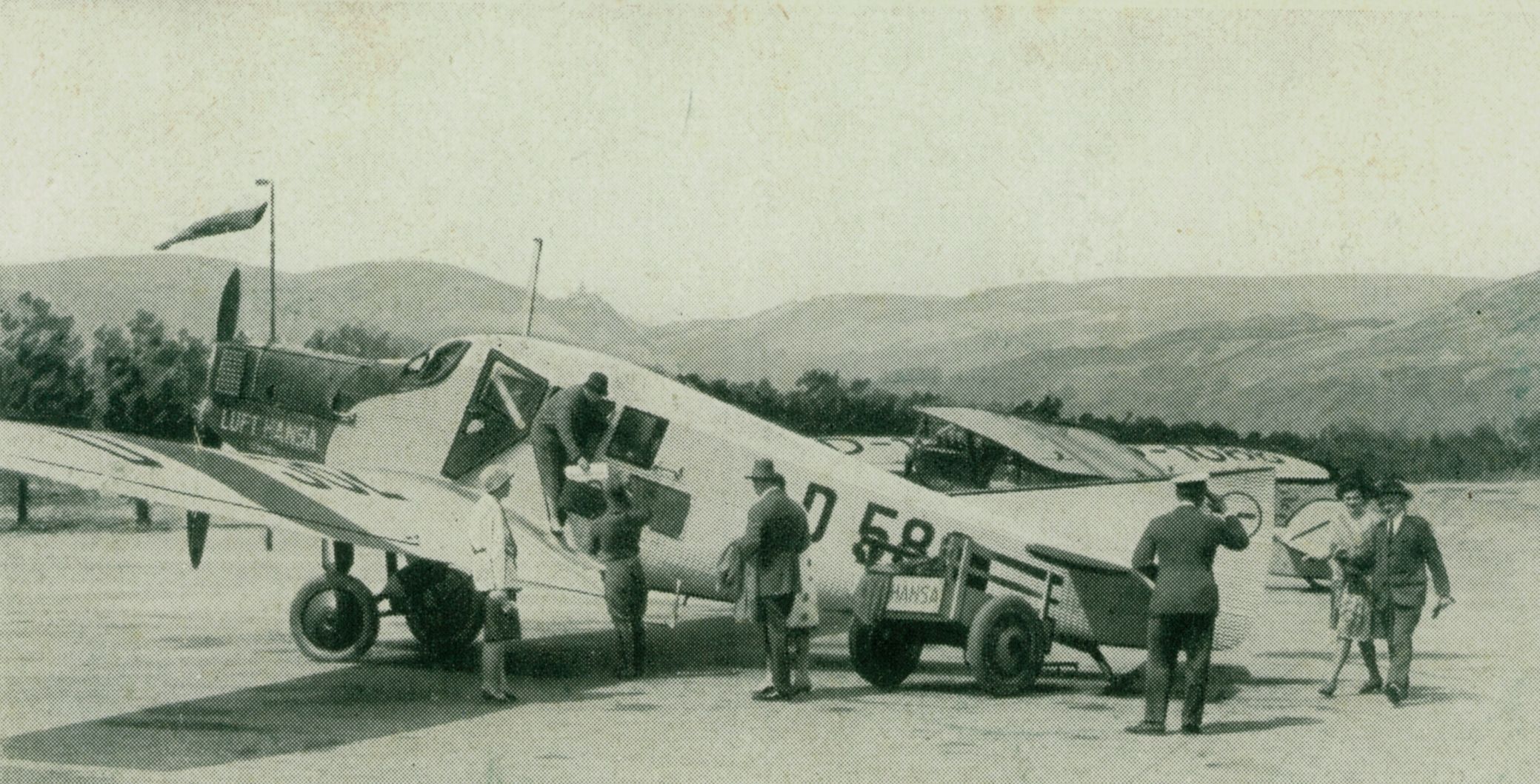
After the First World War, tourism numbers started to rise again. By the late 1920s, the Harz region even had regular air connections. The timetable of Deutsche Lufthansa AG listed the so-called "Harz Ring" in 1928. Daily departure was from Hanover at 3:35 p.m. With stopovers in Hildesheim, Goslar, Wernigerode and Quedlinburg, one would then arrive in Halle at 6:00 p.m.
In 1929, the HVV celebrated its 25th anniversary. At that time, the association already had 128 members.
-
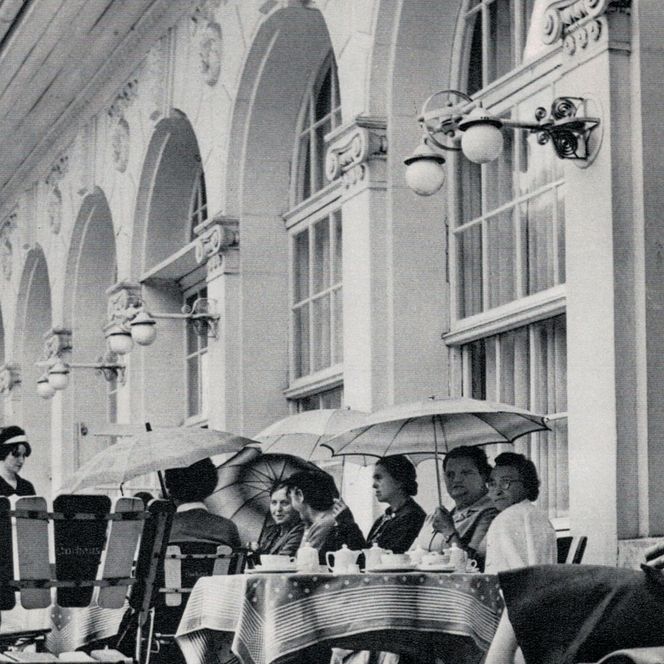
Bad Harzburg Wandelhalle -

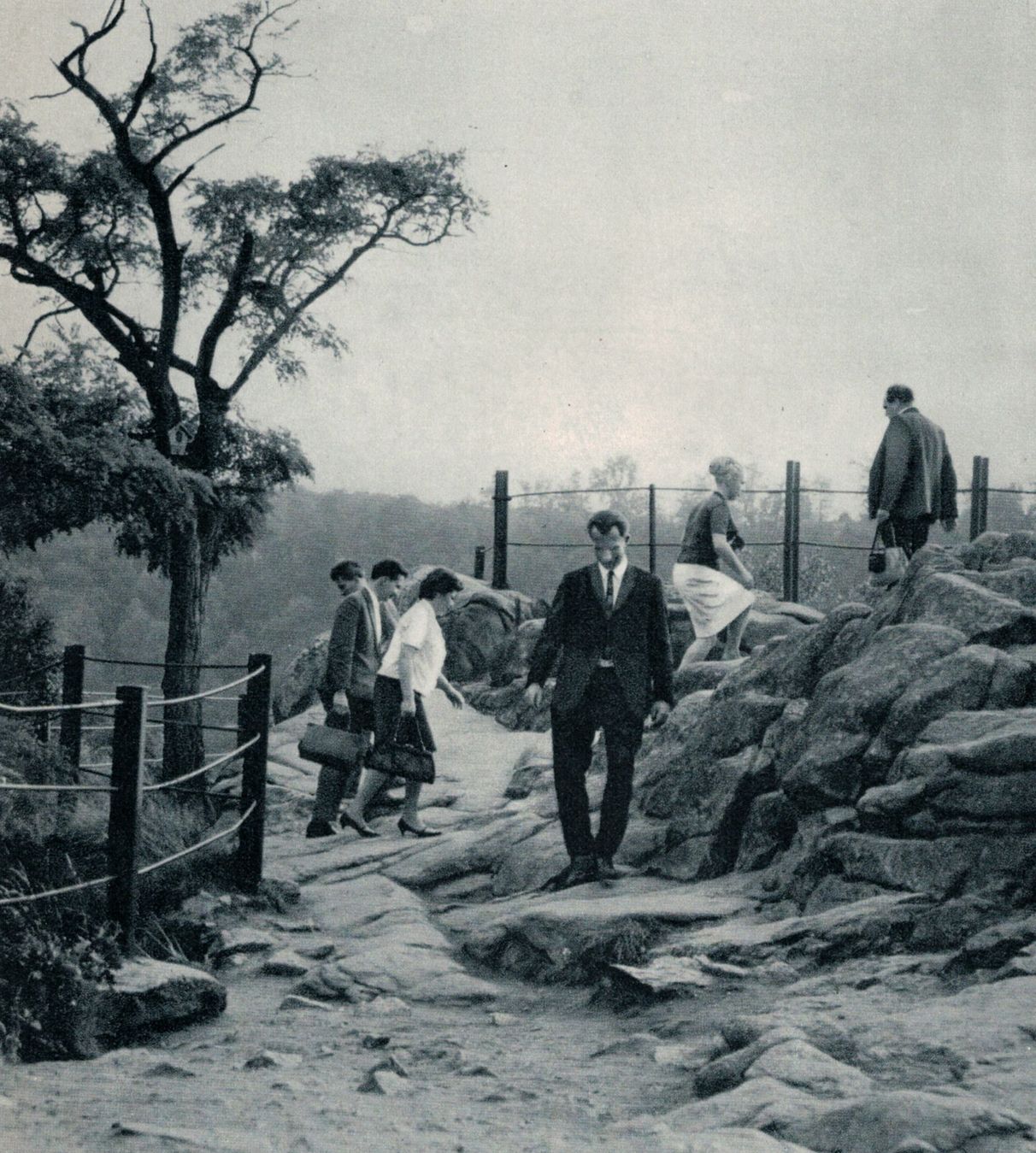
Rosstrappe Thale -
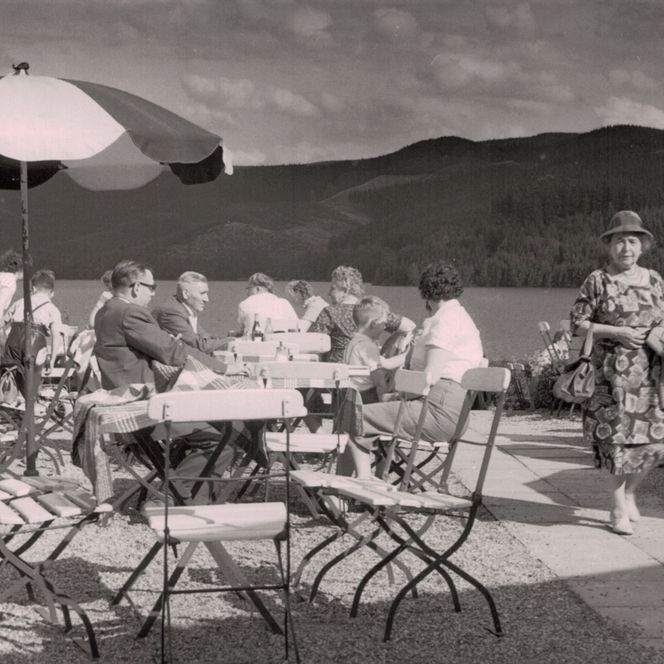
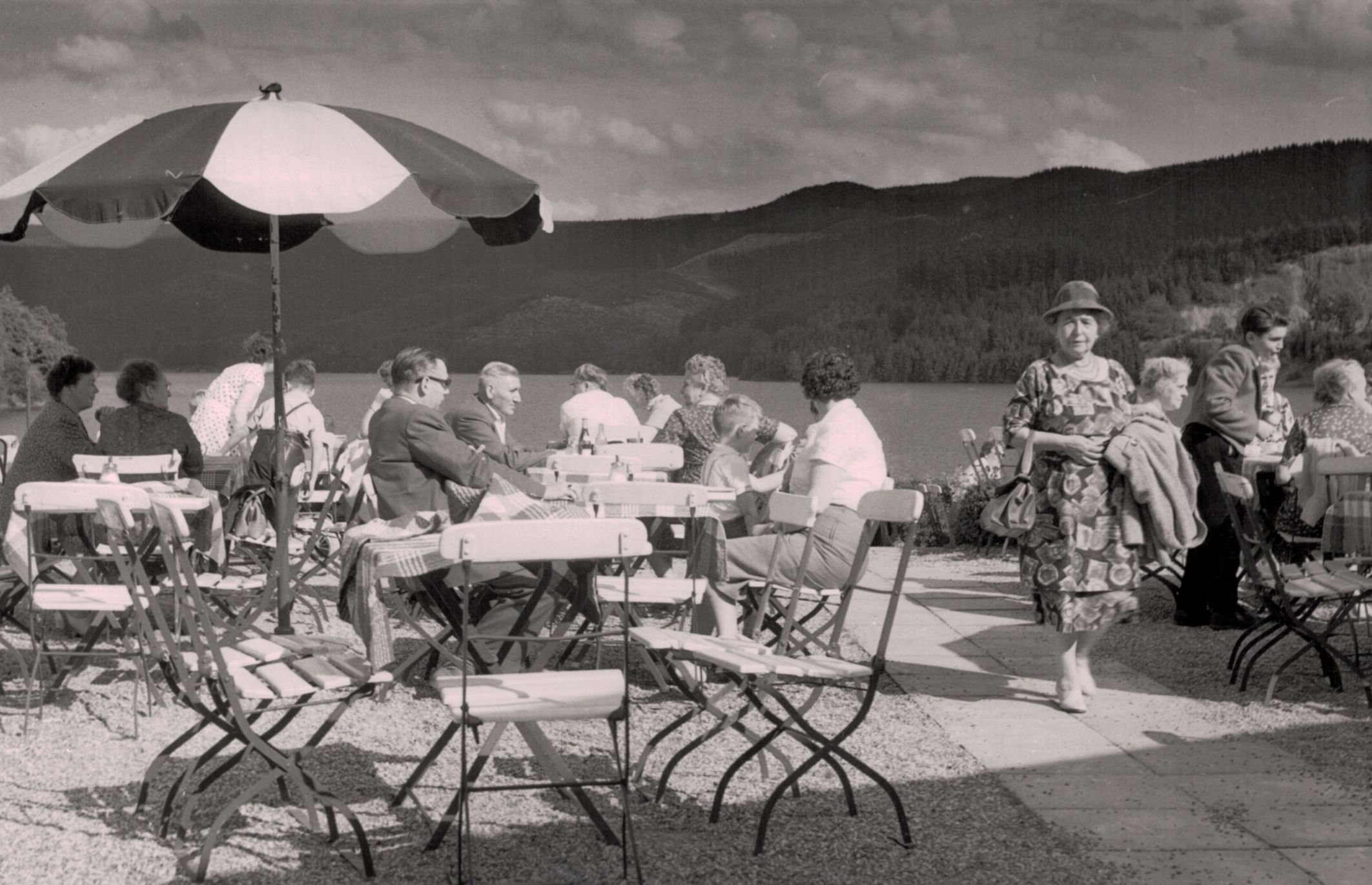
Sösetalsperre Osterode am Harz -
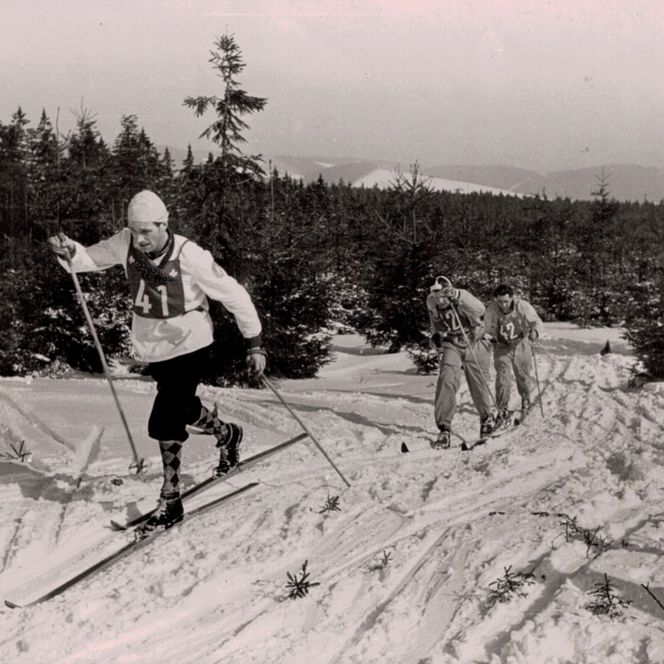
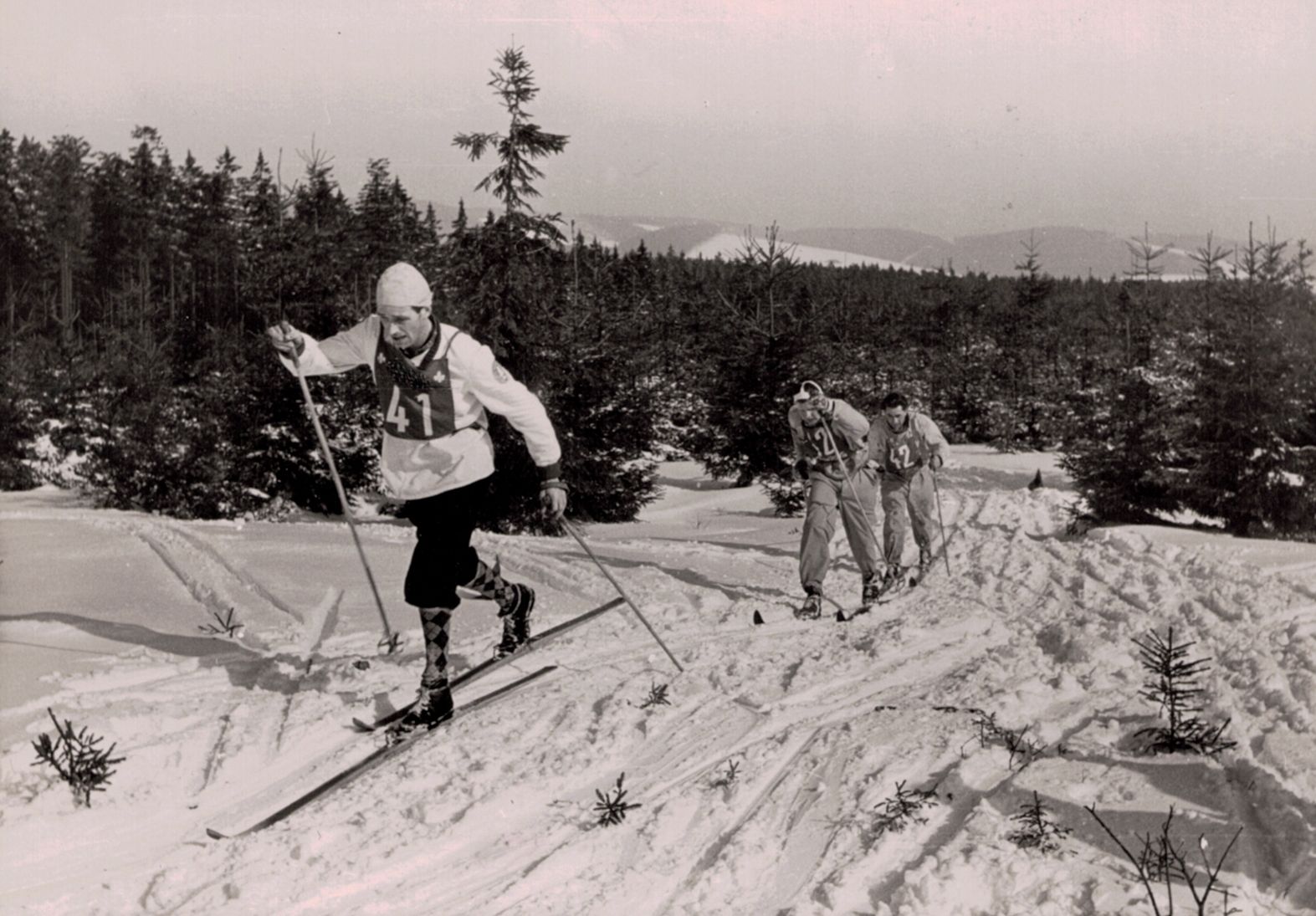
Langlauf Clausthal-Zellerfeld

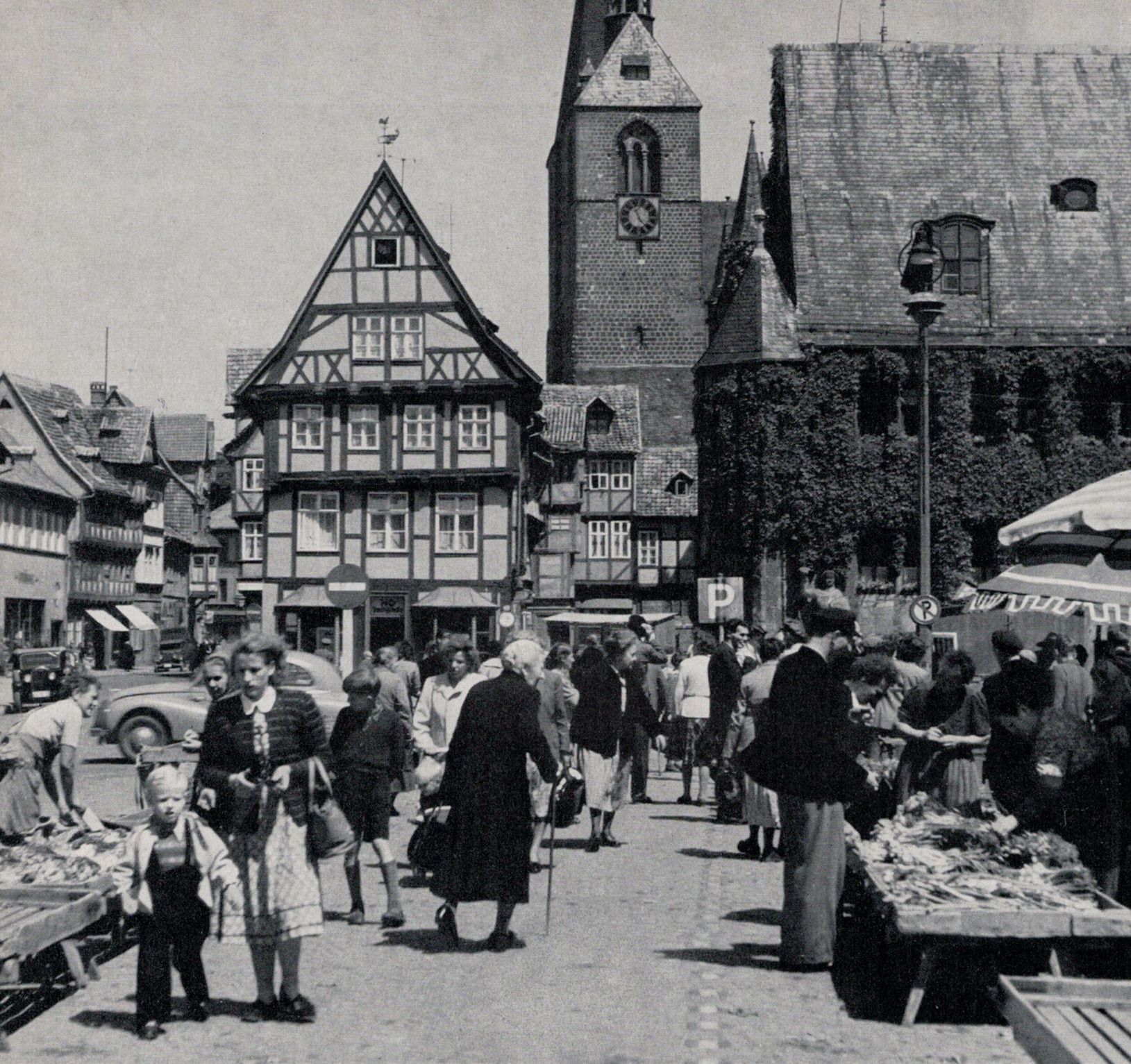
The 1930s and the time of the Second World War changed the association's work drastically. At first, it was placed under the “Führer principle”. In the autumn of 1933, the Prime Minister of the State of Brunswick, Dietrich Klagges, convened a general meeting of members, at which he himself took the chair. At the same time, the association was renamed the State Tourism Association Harz (LFV). In August 1935, Klagges addressed an order to the “spas, health resorts, summer resorts and other tourist destinations” in the Harz region, in which he called on the directors of the health resort administrations to show strict discipline regarding the Jewish question. Among other things, he pointed out that, in accordance with the guidelines of the ruling regime, no Jews were permitted to be accommodated, and no propaganda materials for Jewish hotels, inns or guesthouses were allowed to be produced. The directors were required to comply with these requirements.
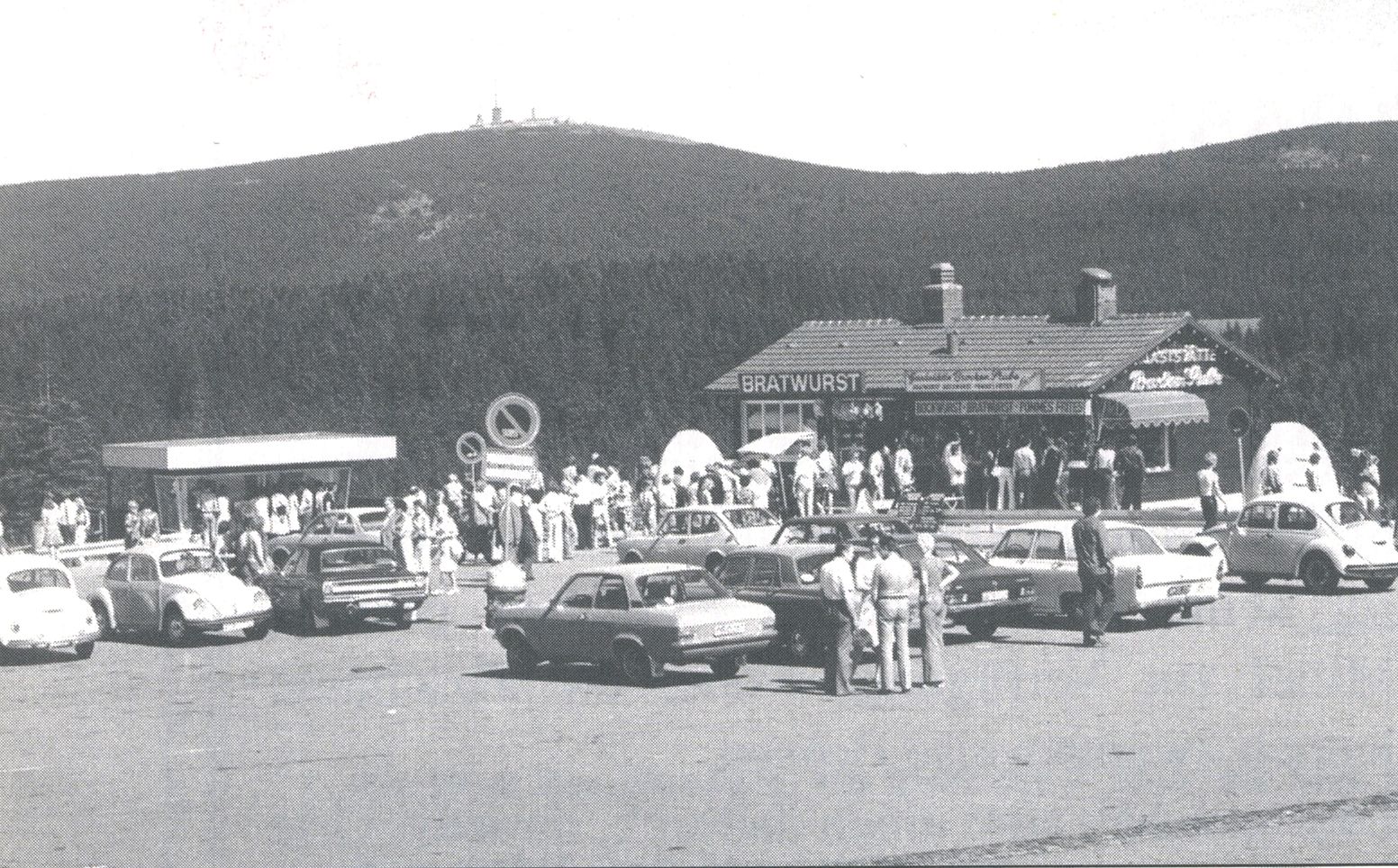
For its extensive tasks, the LFV had increased funds at its disposal at that time, generated through the compulsory memberships of towns and the obligatory commitment of municipalities to support local tourism associations. One of the major areas of work at that time was the necessary expansion of the road network. For example, during the Whitsun holidays of 1937, 182,128 cars, 5,576 lorries and 1,666 foreign buses were counted in the Harz. The two most significant road construction projects of that period were the Harz Mountain Road B 242 and the large car park at Torfhaus. Both projects were halted by the outbreak of the Second World War and were only completed in the 1950s.
In terms of advertising, the pre-war period was still heavily focused on external marketing. In the association’s new promotional brochure, for the first time it was not the individual towns that were presented, but rather the Harz region as a whole. Furthermore, the winter sports weather reporting service was launched in cooperation with the Magdeburg Weather Service Office, as well as a regular press service – measures that still form part of the Harz Mountain Tourist Boards portfolio today.
A tragic turning point in the history of the regional tourism association was also the Second World War. The Harz became a production site for war weapons. As part of the Nazi relocation of arms production underground, two subcamps of the Buchenwald concentration camp were established here in 1943 and 1944 – in Nordhausen the Mittelbau-Dora concentration camp, and in Halberstadt the Langenstein-Zwieberge concentration camp. Many prisoners did not survive the inhumane conditions. In April 1945, both camps were evacuated by the SS. Thousands of prisoners died during the evacuation transports and death marches. Today, impressive memorials and places of remembrance can be found at both sites.
Towards the end of the Second World War, many towns in the Harz were badly damaged. Nordhausen and Halberstadt were almost completely reduced to rubble and ashes in April 1945. Many residential buildings, business premises, and spa facilities were also destroyed in Wernigerode, Treseburg, and Schierke. Tourism came to a complete standstill, and in May 1945 the work of the Harz Regional Tourism Association came to an end.
After intense discussions during the post-war years, the Harz Transport Association was re-established in July 1946 for the Lower Saxony part of the Harz, marking the revival of tourism.
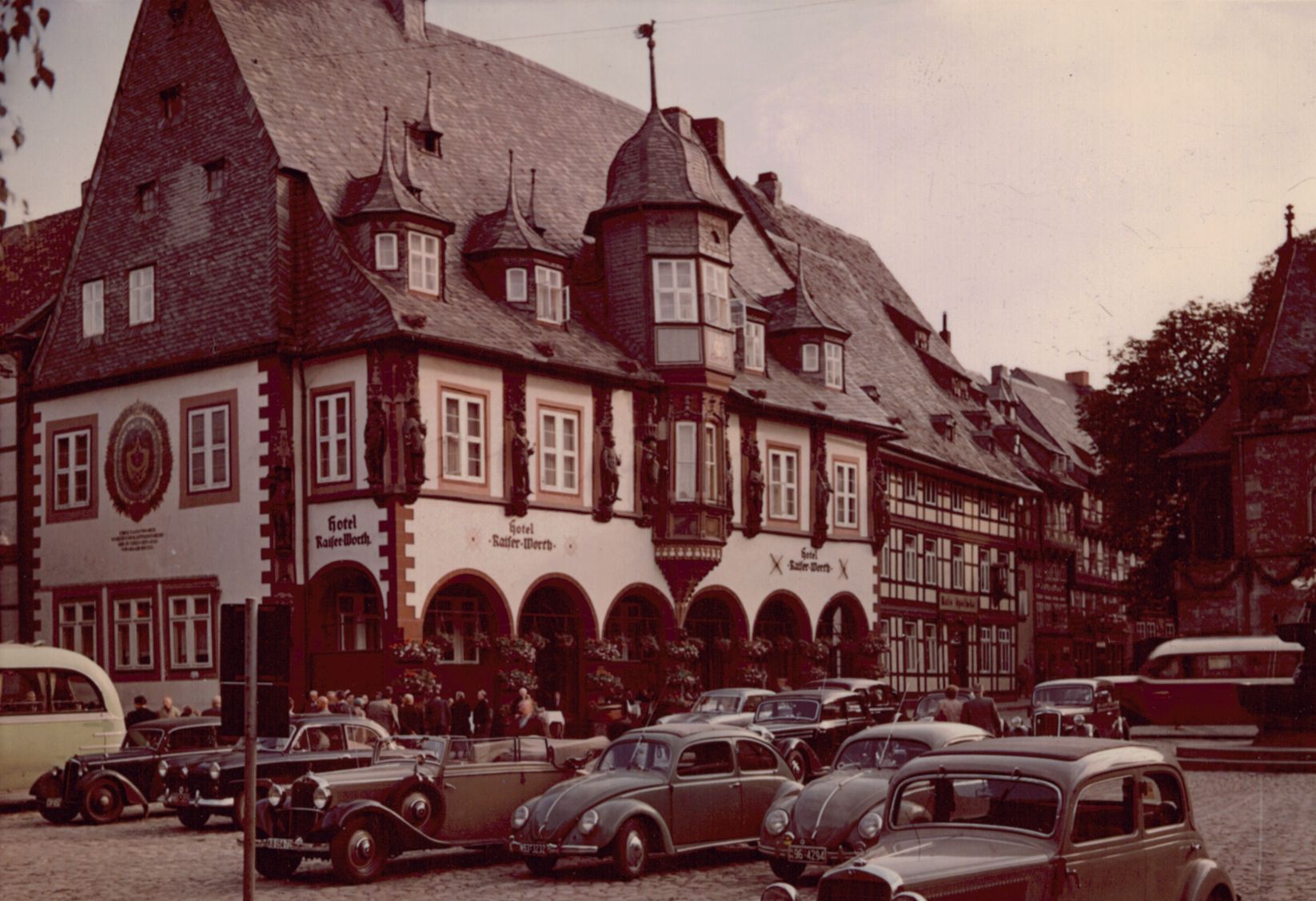
The HVV office was relocated from Braunlage to Goslar in 1949 and, with a full-time managing director and additional staff, was adapted to the increasing workload. To increase the number of guests, the HVV worked closely with both regional and national press and strengthened its cooperation with transport companies as well as travel agencies and tour operators. After several relocations, the association’s office moved into the former Bakers’ Guild House in 1966, where the association is still based today.
After the development of the HVV’s first advertising concept in the seventies, marketing became a combination of advertising, public relations, sales promotion, and pricing. During this period, the Harz Guest Card was also introduced, still offering free or discounted services to overnight guests who pay the visitor’s tax. The first regional Harz logo – the stylised fir tree – was created in 1968 and adorned Harz advertising brochures until the 1980s.
It has always been the task of the Harz Transport Association, as a representative of the tourism industry, to make state and local government officials aware of the importance of tourism. With the goal of gaining corresponding appreciation and financial support for the sector, the HVV, in cooperation with the Institute of Economic Sciences at the Technical University of Braunschweig, published the report “The Economic Importance of Tourism in the Harz” for the first time in 1968.
The HVV ventured onto completely new marketing paths in 1983, when the first television commercial for the Harz was broadcast on West German Radio. In the 20-second spot, the Harz witch asked viewers to write to her. The TV advertisement had a lasting effect and even led to enquiries from Belgium and the Netherlands.
In the many years of economic growth, it was comparatively easy to achieve increases in tourism. New holiday complexes with comprehensive facilities, such as those on the Glockenberg in Altenau or the Panoramic Hotel complexes in Hohegeiß and Bad Lauterberg, attracted a new, younger audience to the Harz. In the 1980s, this boom subsided. Competitive pressure increased, and the number of guests declined.
After the Harz region had been divided for 40 years, the border finally opened in November 1989. The border facilities were first crossed on 11 November 1989 in Eckertal. On 3 December of the same year, the people “forced” the opening of the Brocken, probably the most symbolic place of the German division.
Shortly afterwards, the first contacts were made between the association’s management and the tourism partners from the eastern part of the Harz. The unity was soon to be reflected in the brochures as well. In the main catalogue “Harz Holiday” of 1990, the eastern part was already presented on several special pages.
In February of that year, partners from this area had the chance for the first time to present themselves under the HVV umbrella at the Reisen Hamburg fair. In March 1991, at its extraordinary general meeting, the HVV elected a new board made up of representatives from both the East and West Harz. The new brand identity consisted of the slogan “THE HARZ – always on top” and a mountain contour of the low mountain range. This design appeared on all HVV publication covers until 2003. The following years were characterised by close cooperation and a comprehensive marketing portfolio. Thanks to the reliable financial support from the federal states, the association was able to carry out numerous and high-quality marketing activities. In 1996, the first electronic booking system was introduced. In 1997, the first TUI regional catalogue for the Harz was published – a medium that, to this day, is still produced together with Germany’s largest tour operator and remains unique in its kind. In 1998, the HVV’s first website went online at www.harzinfo.de.
Stagnating overnight stays, overlapping areas of responsibility among the associations active in the Harz region, and criticism of the structure and working methods of the HVV – these were the reasons that sparked a broad structural debate among the board members in 2008/2009. As a result – and after examining various alternatives – the Harz Transport Association and the Harz Regional Association were placed under a common management. The Harz Support Circle (HFK), which had existed until then, was dissolved. The most important area of activity of the HFK, the responsibility for the product brand “Typical Harz”, was transferred to the HVV. The internal structures of the Harz Transport Association were made more efficient. The board was reduced by half. The marketing department was separated into an independent unit and has since been managed by a committee of 11 heads. Other marketing topics are handled in so‑called pools. The name change to “Harzer Tourismusverband” (HTV) was also an expression of this restructuring and reorientation.
In 2010, the marketing concept was consequently revised, and a new corporate design (CD) was developed. Based on this, the association has implemented numerous new, creative, and partly unconventional marketing activities. Especially in the online segment and in campaign work, marketing has achieved significant attention for the Harz in recent years. In 2013, the members’ assembly of the HTV adopted a new contribution scheme with a large majority. This prevented the financial decline of the association and placed tourism marketing on a solid economic foundation for the coming years.
After more than 100 years, the association looks back on a varied history full of setbacks and successes. Today, the Harz and the HTV – under a newly developed corporate design – form a united entity that stands internally for regional cohesion and externally for the most beautiful tourism region in the heart of Germany.