For centuries, spruce monocultures shaped the landscape of the Harz Mountains. Today, this appearance is changing. Spruce was long a sought-after timber for mining and the timber industry and was therefore also planted at altitudes where it does not naturally occur.
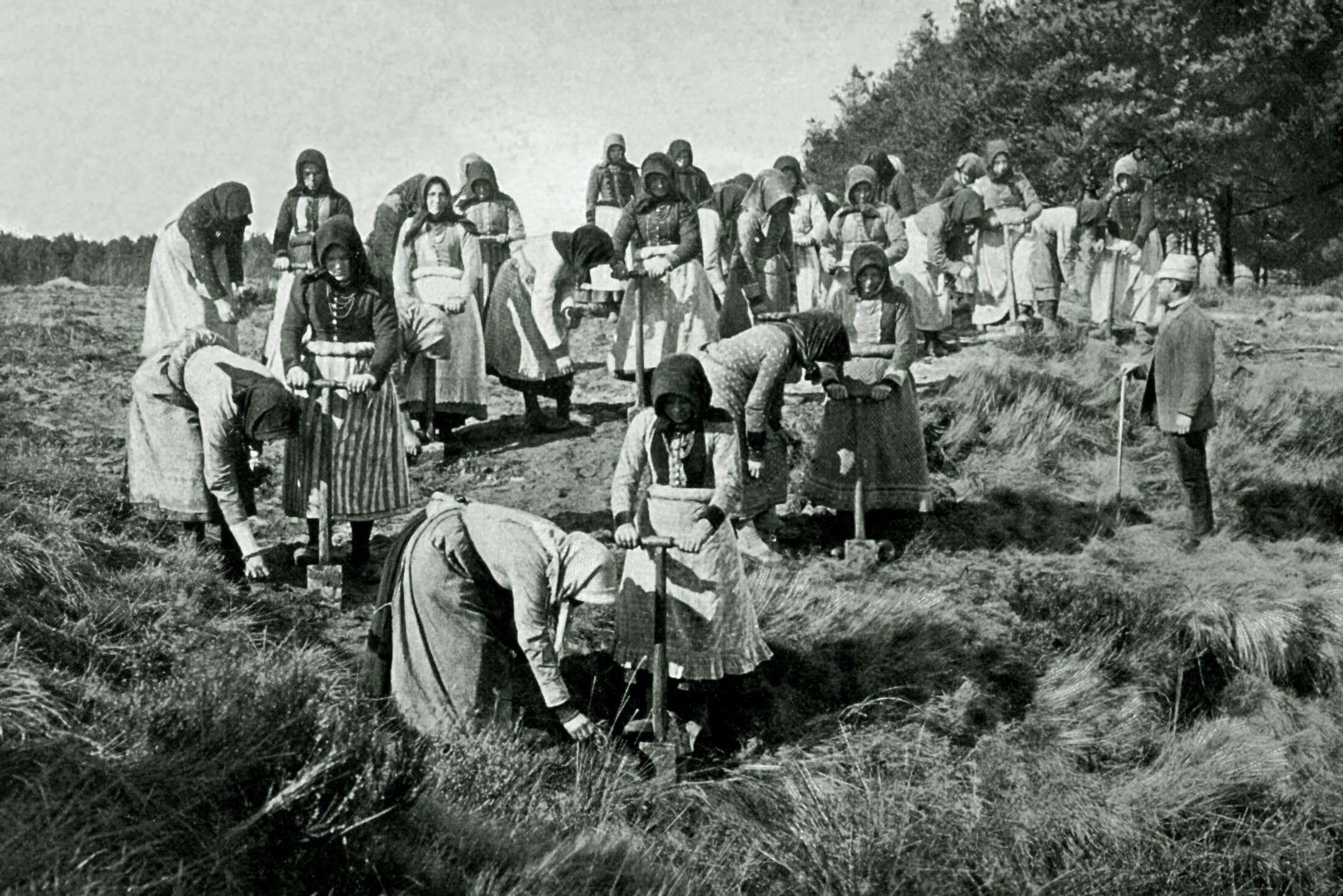
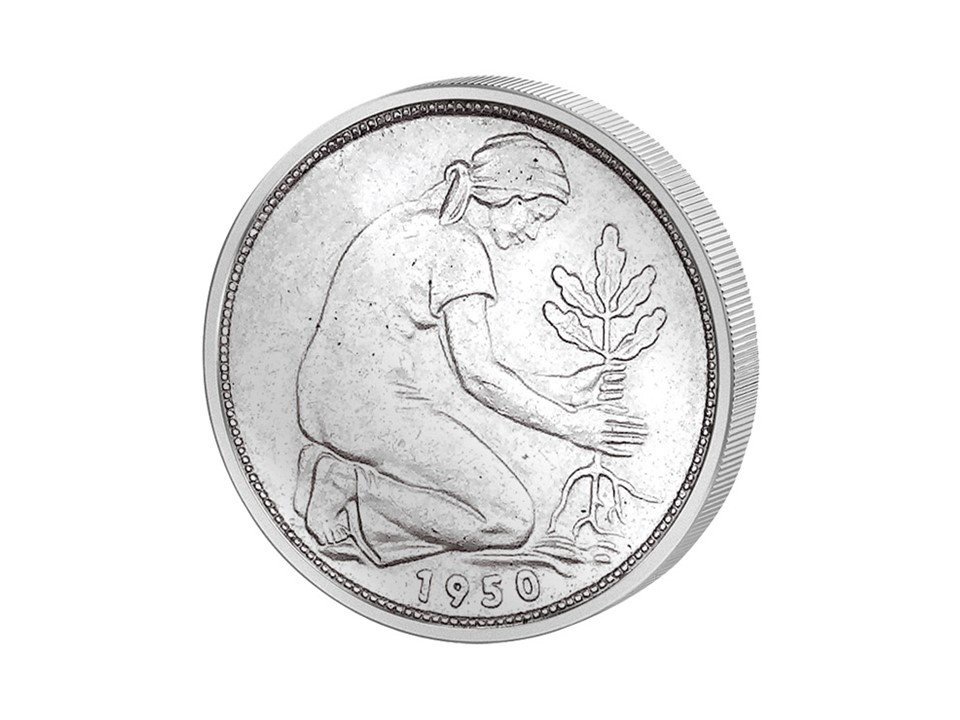
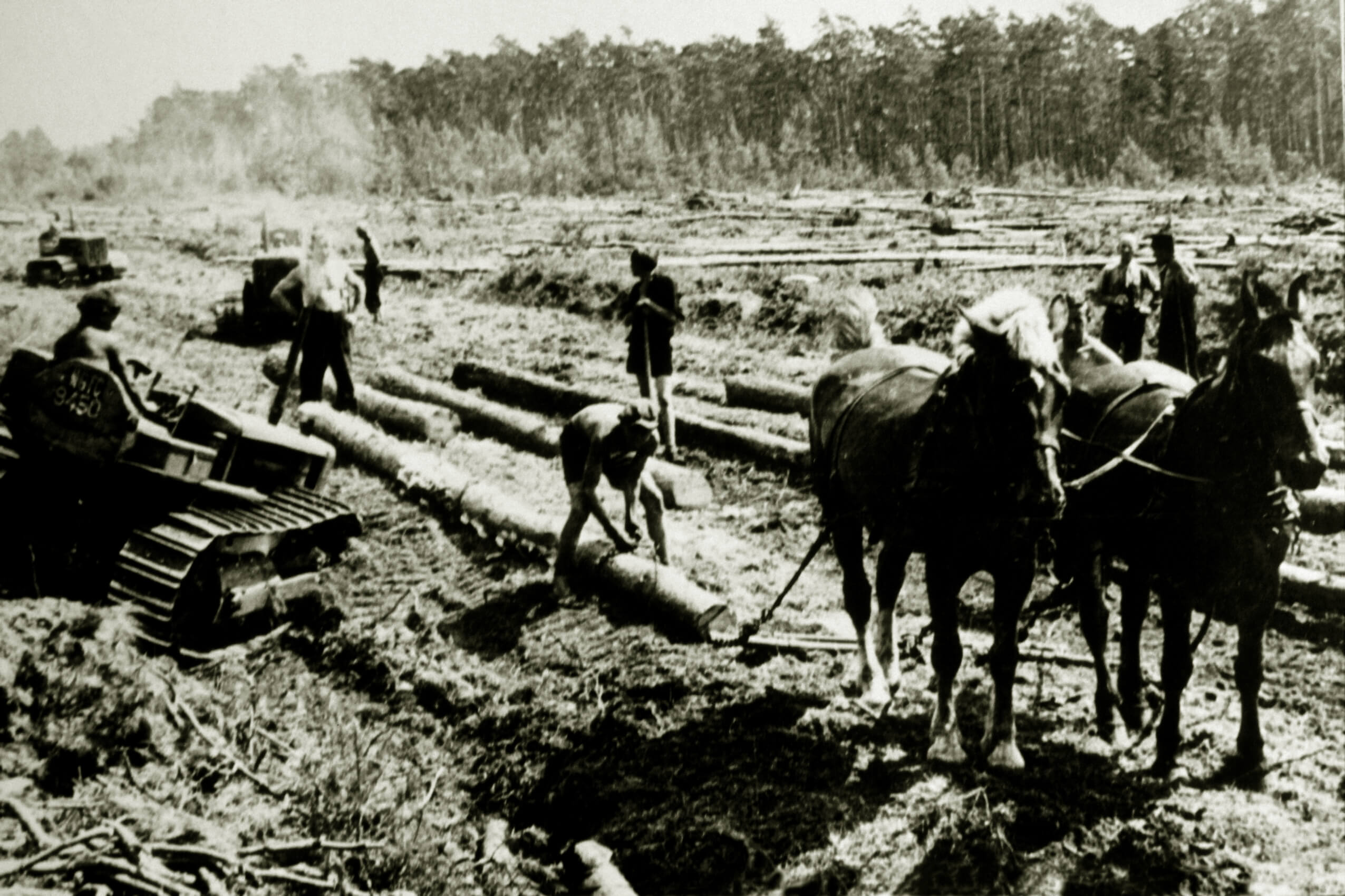
After the Second World War, additional wood was needed for reconstruction, heating and reparations. Between the 1930s and around 1950, heavy overuse and clear-cutting led to some 140,000 hectares of deforested land in Lower Saxony alone. Foresters and the so-called “culture women” achieved great work in reforesting these areas. Their contribution was honoured on the West German 50-pfennig coin – it showed a kneeling woman planting an oak tree. In times of great scarcity, the “culture women” worked for low wages to help rebuild the forest. In the Harz, sufficient spruce seeds were the only ones available at the time. Thus, the spruce became the “bread tree” of the region and was also planted in places where deciduous trees such as beech, maple, birch and ash would naturally grow.
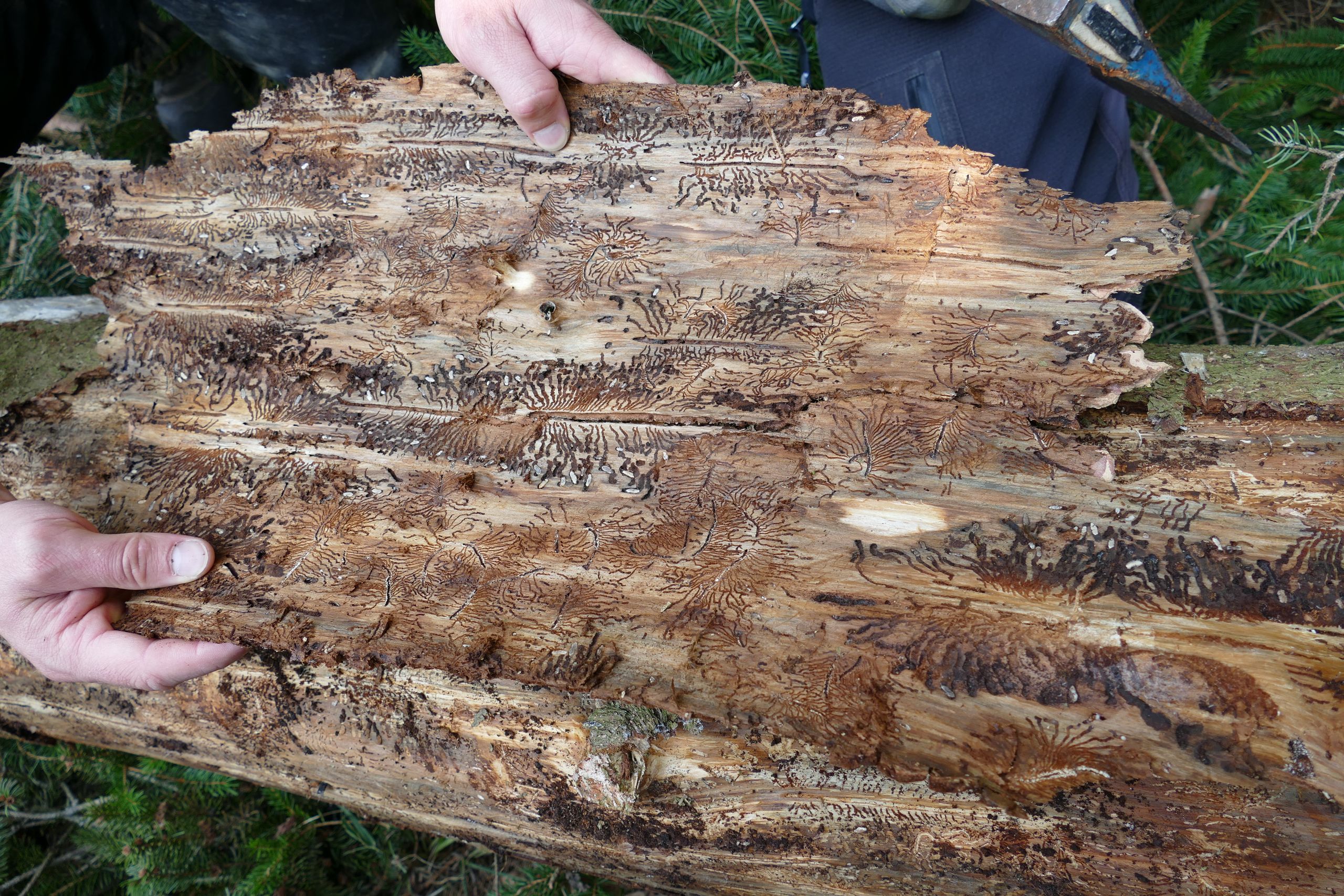
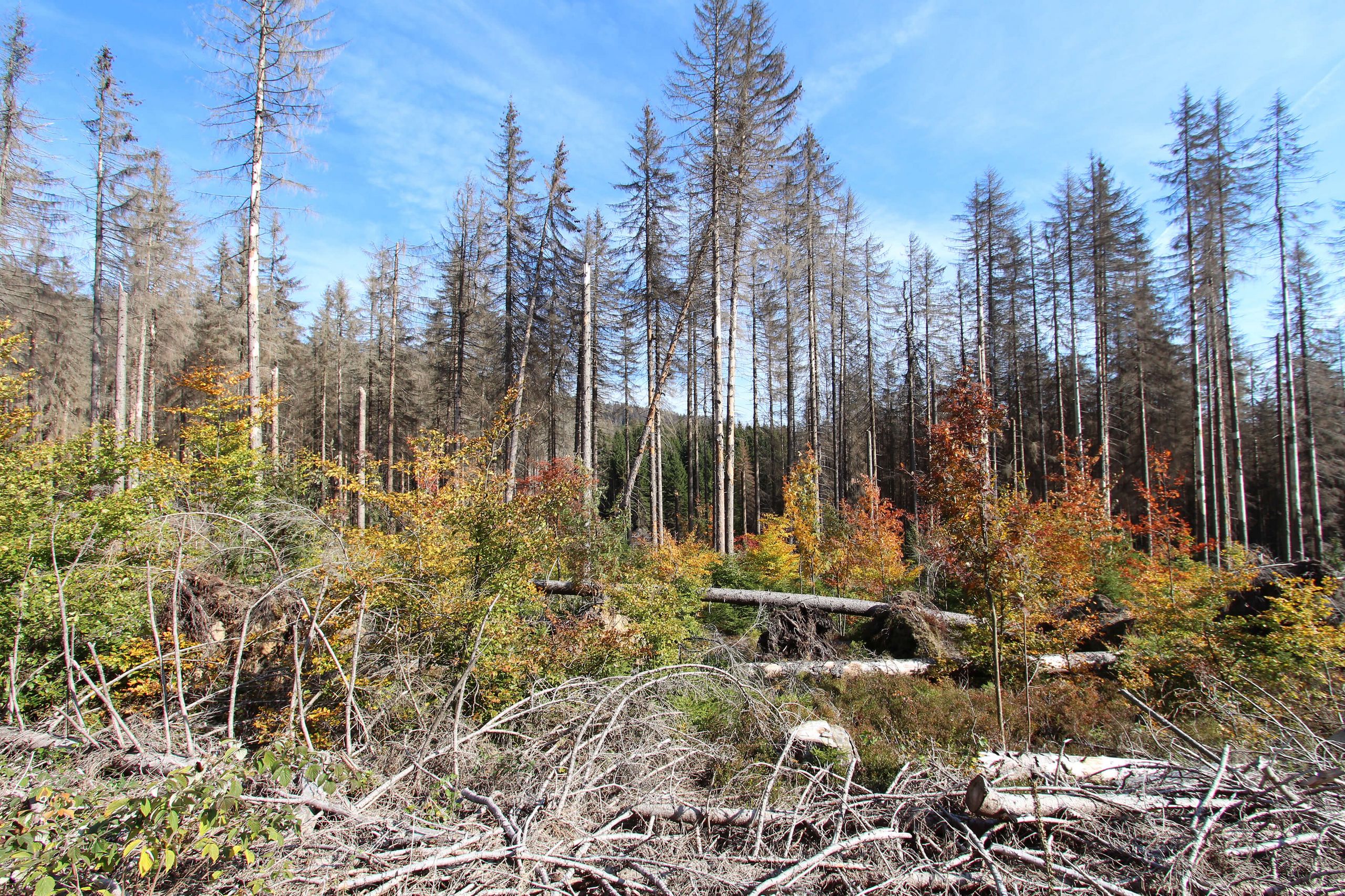
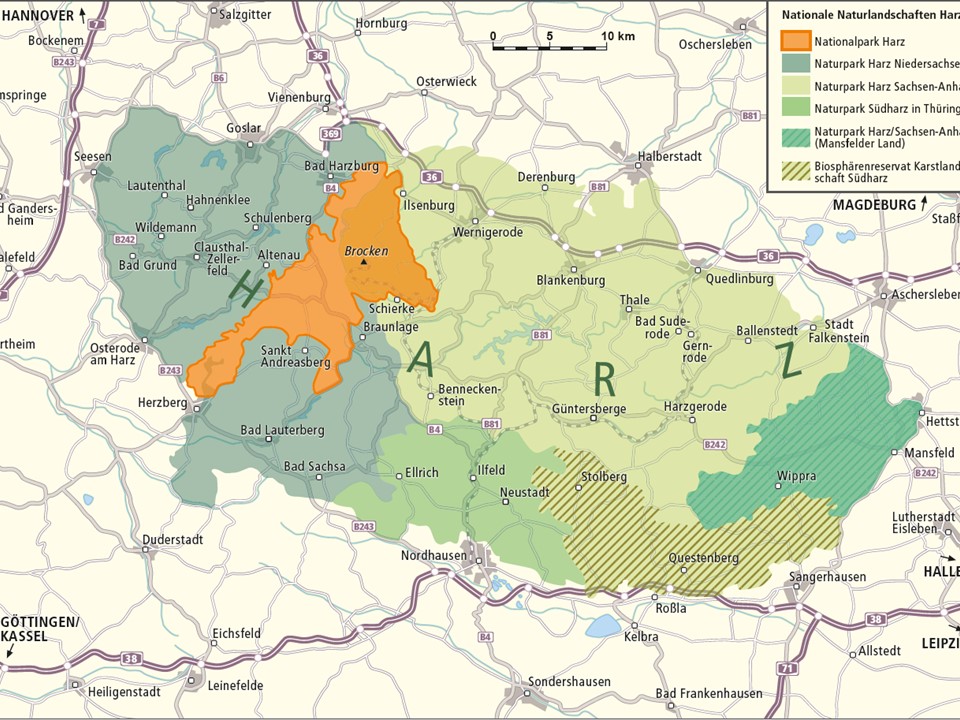
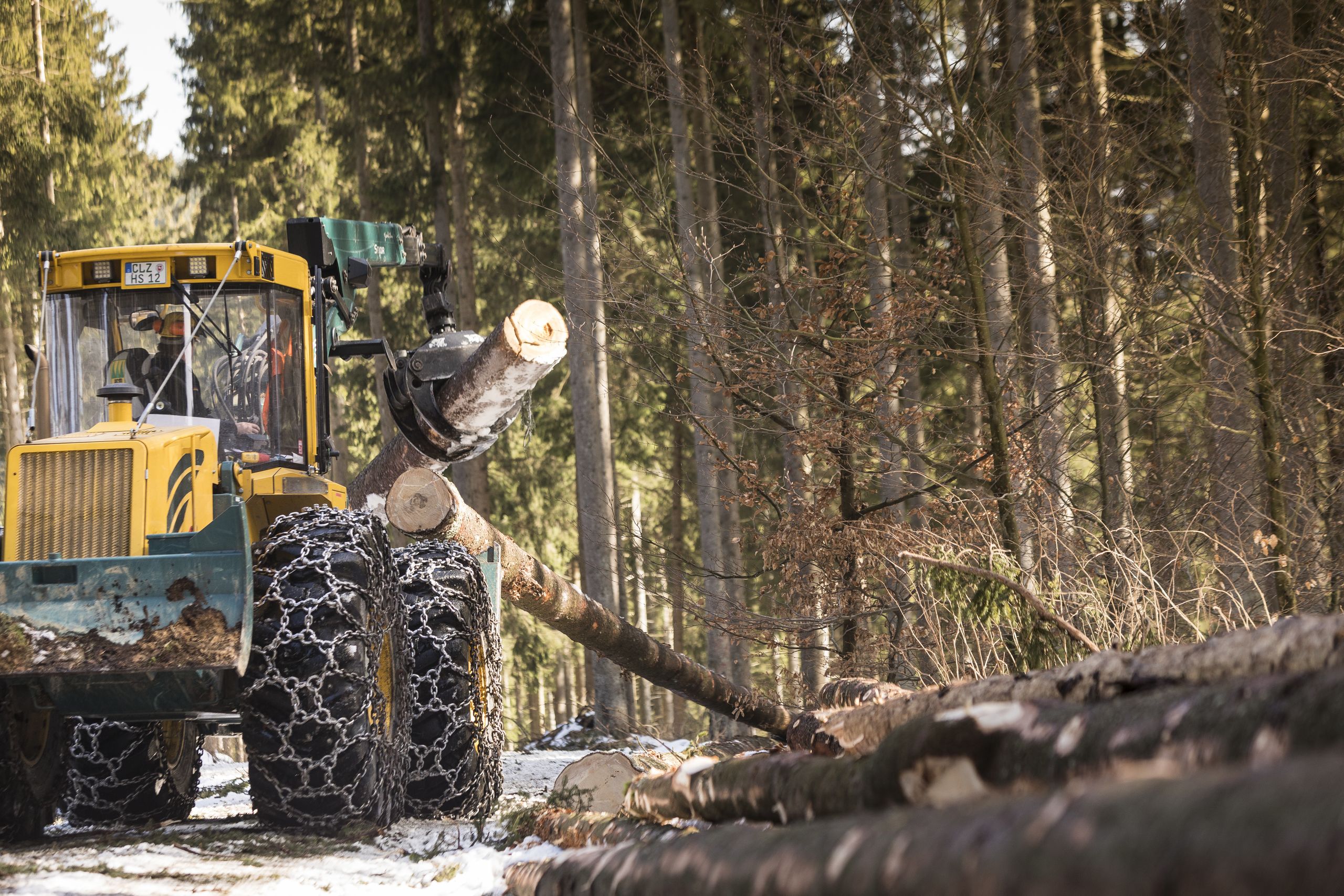
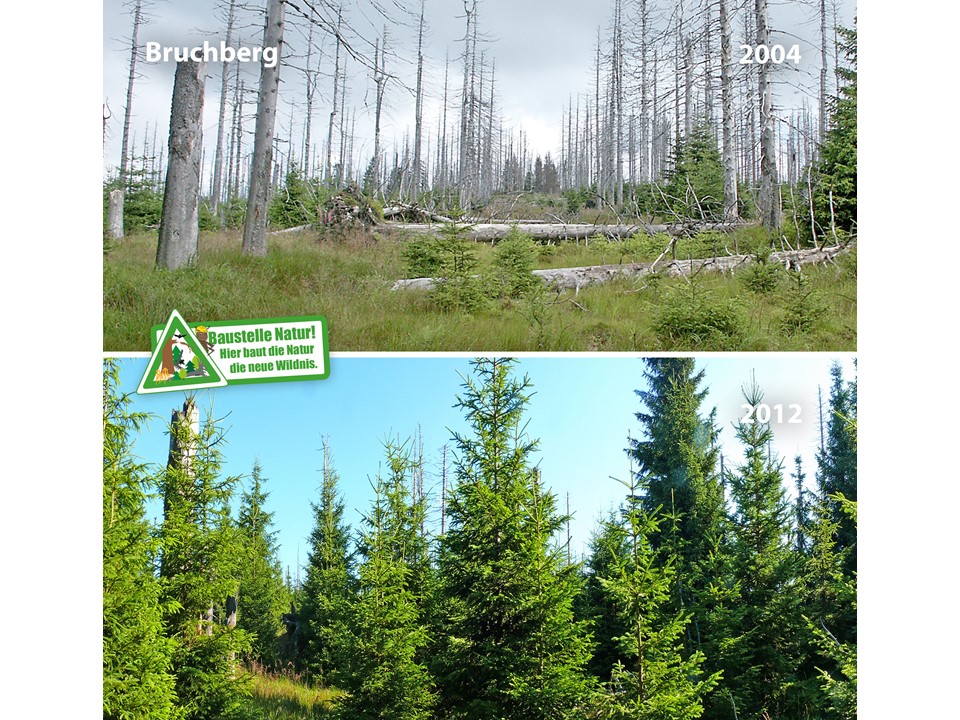
Just as humans shaped the landscape over centuries, it is now continuing to change naturally through climate and weather influences. Nature still remains the most important recreation area of the Harz, but its appearance is gradually transforming. Around the Brocken massif and in the higher mountain areas, large expanses of dead spruce trees now dominate the scenery. In Harz National Park, these areas are largely left to themselves: the trees remain standing or fall as determined by natural processes. In the managed forestry areas, the forest offices actively drive the transformation so that young vegetation soon grows again on clearings. The transformation of the forest is not a local phenomenon – similar developments are taking place in forests all over the world.