fotoweberei, Luca Weber | CC-BY

0% waste - 100% Harz

#TakeItWithYou

Behind the project "#TakeItWithYouAgain – 0% Waste, 100% Harz", initiated by the Harz Tourism Association, various partners have now come together, including the Harz National Park, the three state forestry services and the Harz Club, all working together for a waste-free natural environment in the Harz region.

The problem is as old as hiking in the Harz itself. Alongside many responsible forest visitors who explore the woods without leaving any traces, there are also those who simply leave their rubbish behind. Whether glass, plastic, paper or even organic waste – every foreign object in nature harms it and affects a balanced ecosystem.

It doesn’t have to be that way! That’s why we’re working together to raise awareness and make the issue more visible. And you’re needed too, dear visitor, because we can’t do it alone – #TakeItWithYouAgain.

Overview:
Abandoned forest dwellers and their decomposition times

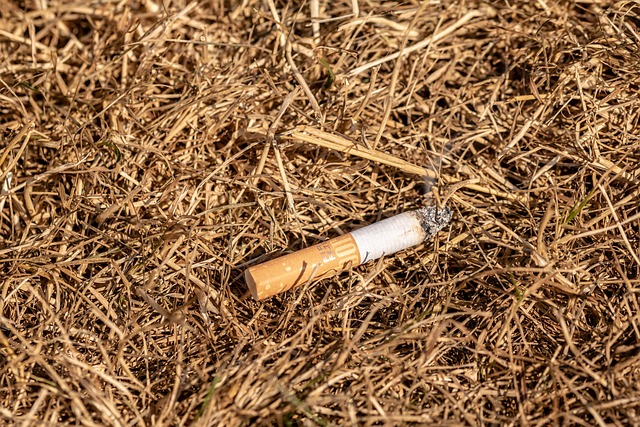
Flicked fire devil

Decomposition: 2 - 7 years

Zigarettenstummel auf einem Waldboden
© Pixabay

Attention! We're dealing with a particularly dangerous species here. The flicked-away fire devil can cause great harm when it really gets angry. Then it starts to fume and smoke. You really need to be careful, because before you know it, the little devil’s rage can start entire forest fires. That’s why it definitely has no place in the forest! In addition, it contains over 4,000 chemicals that it releases into its surroundings as it decomposes. In the worst case, it can even pollute up to 40 litres of groundwater.

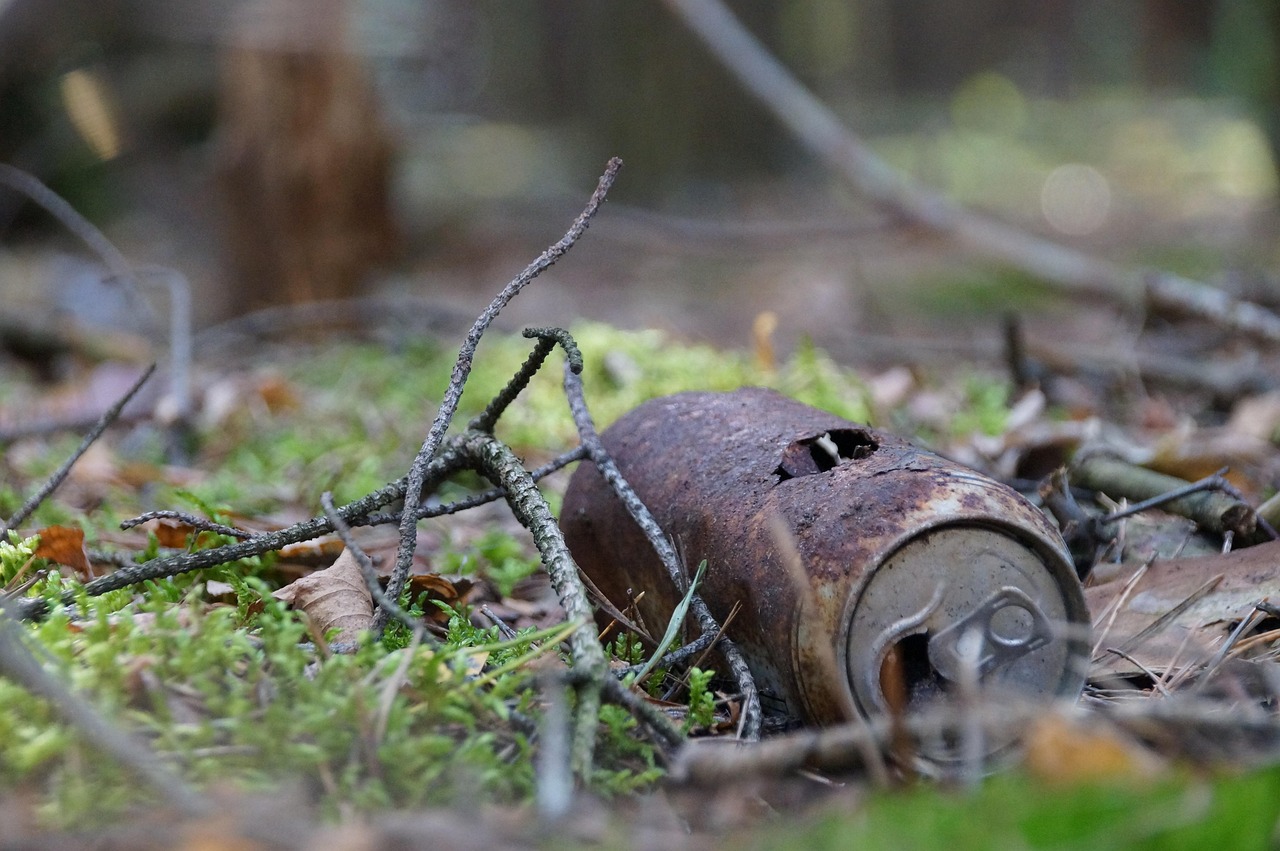
Runaway Boozy Goat

Decomposition: up to 500 years

weggeschmissene Dose im Wald
© Pixabay

Sometimes they decorate the roadside. You can often find them near benches or other places where people like to take a break. The tricky little critters like to seize their chance, once emptied, to sneak away with the next gust of wind. Once escaped, with their sharp-edged opening they are not very popular among the other forest dwellers. Still, they will annoy them for up to 500 years until they finally rot away.

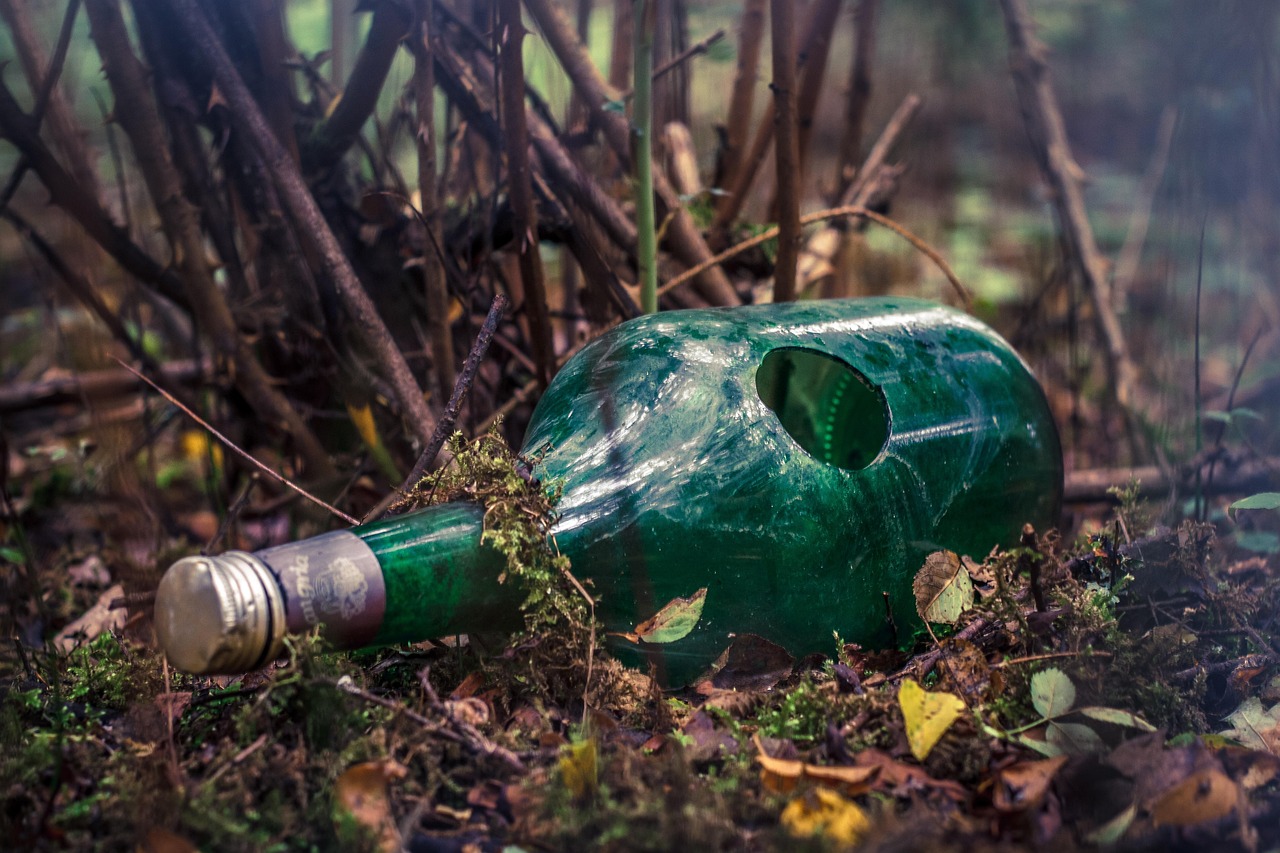
Fallen-From-The-Nest Boozepecker

Decomposition: up to 50,000 years

weggeschmissene Glasflasche im Wald
© Pixabay

This strange little creature was once left alone in the forest by a staggering traveller. Now it has lived here for many, many years. Its fragile body is dangerous for the other inhabitants of the forest, as they could hurt themselves on its shards. This creature will outlive us all, because under certain circumstances, it may remain in the forest for up to 50,000 years until it completely decomposes!

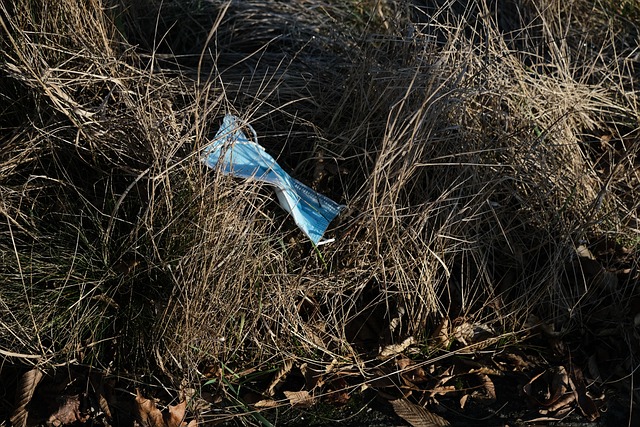
Snot-Covered Coati

Decomposition: 1 – 5 years

weggeschmissene Maske
© Pixabay

Who has made themselves comfortable in the cosy foliage? Looks like a snotty coati. Its existence disgusts both humans and animals and also carries the risk of spreading viruses and diseases. So it stays behind on its own. It can take up to five years until it has completely dissolved. Yet it could have had such a nice end if properly disposed of with the residual waste. Then the decomposition process would have taken only three to six months.

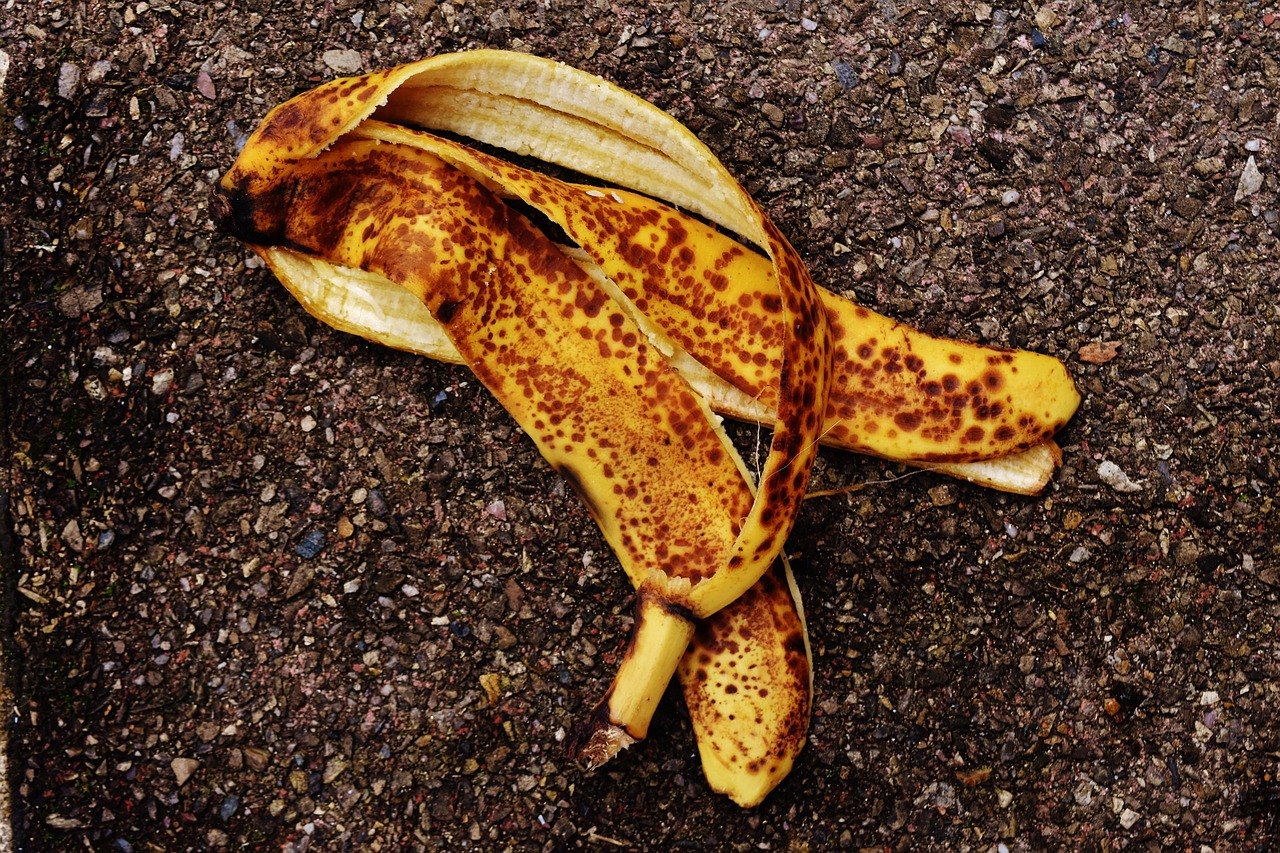
Unwanted crustacean

Decomposition: 1 - 3 years

Bananenschale
© Pixabay

Well, what do we have here? A discarded shellfish. Its former owner must have released it, believing it would feel more at home in the wild than with them. However, it doesn’t belong here and, as a yellow exotic, finds it hard to make friends. So it will spend another one to three years lingering in the forest. The reason the decay takes so long is that bananas come from a warmer climate zone. The local climate is too cool for the optimal decomposition of tropical fruit peels in the wild.

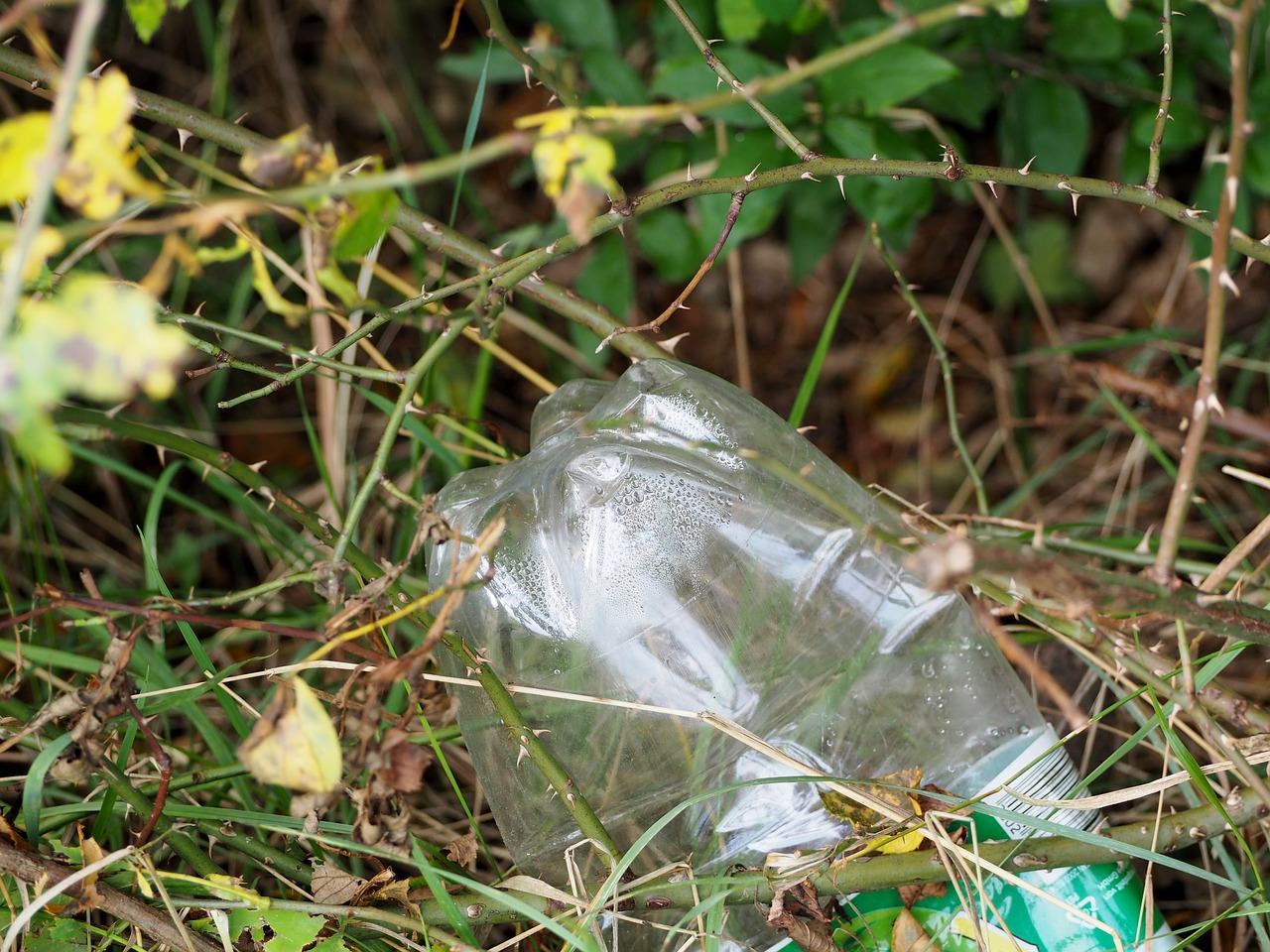
Escaped Water Rat

Decomposition: 500 – 1,000 years

weggeschmissene Plastikflasche
© Pixabay

Hidden in the tall grass lies a shy water rat. No one knows whether it was left here on purpose or if the wind has carried it for many kilometres through the Harz. In any case, it still has a long way to go before it completely dissolves. First, it will break down in a long process into smaller and smaller plastic particles, until it finally ends up as microplastic in the soil or even in our groundwater. As long as we live, however, it will still look almost unchanged. After all, it takes between 500 and 1,000 years for a plastic bottle to decompose.

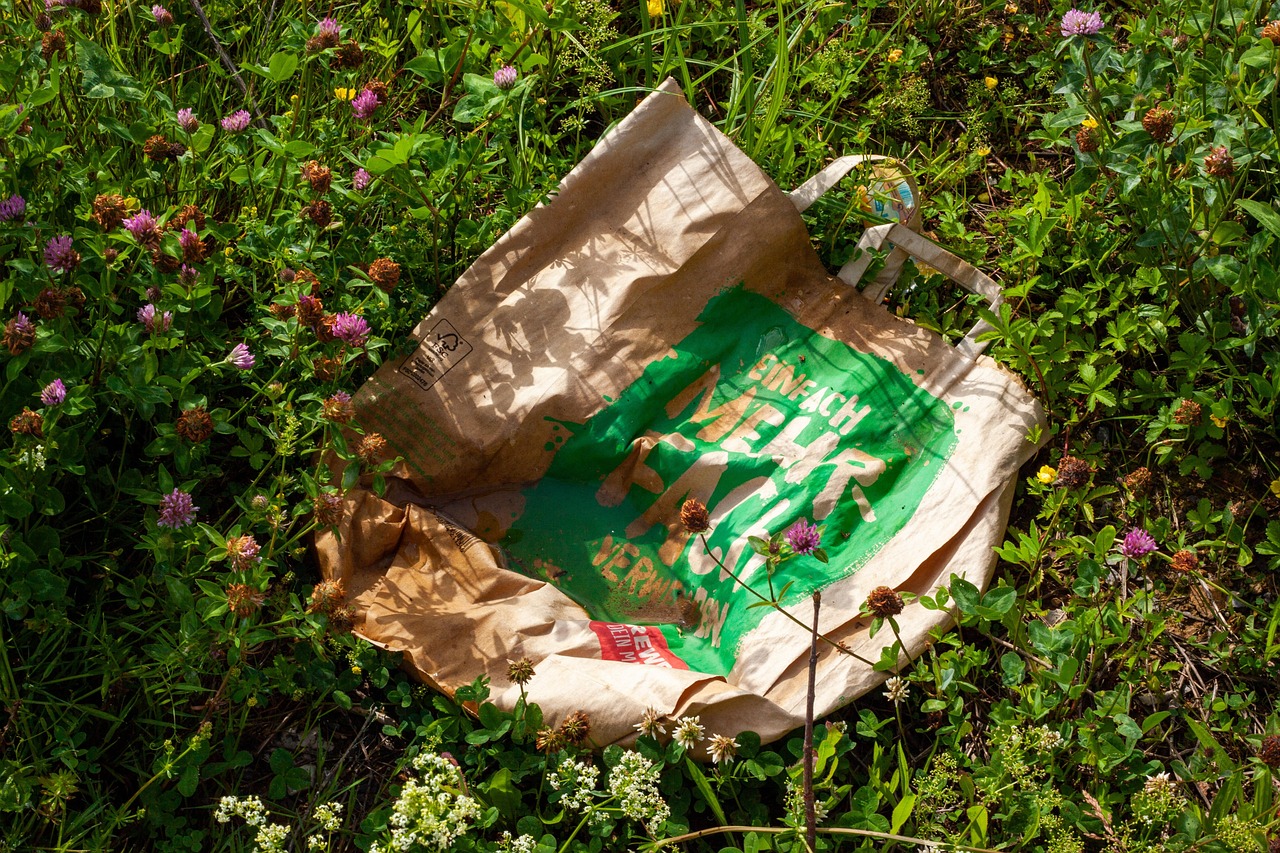
Abandoned Hungry Caterpillar

Decomposition: about 6 weeks

weggeschmissene Papiertüte
© Pixabay

Who’s crawling through the undergrowth there? Looks like a very hungry caterpillar crossing our path. Carelessly thrown into nature, it now goes its own way and no one misses it. After about six weeks, it will be as if it had never been there. Well, almost. If it’s a bag with a print or if the paper is white instead of brown, chemicals were added during production, which are now slowly released into nature. Yet it could have made a great figure as a repurposed rubbish bag for the rest of the hike or bike ride.

Everything we throw away isn’t gone, it’s just somewhere else.
Anna Schunck - Journalist

The most frequently asked questions

about the waste problem

Partners of the initiative

A litter-free nature in the Harz is close to our hearts, as well as to numerous partners of the project. That’s why we cooperate for #TakeItWithYou to join forces and help reduce waste in our forests.