Stefan Schiefer | CC-BY

UNESCO World Heritage in the Harz

A heritage of world-changing importance: the UNESCO World Heritage Convention of 16 November 1972 is a milestone in human history.

Today, more than 900 outstanding cultural and natural sites around the world are part of the “Heritage of Humanity” – they embody uniqueness, authenticity, and universal value. These places tell stories that must be preserved, protected, and secured for future generations. With 187 countries having signed the convention, it also represents a global declaration of peace and a symbol of international cooperation.

The Harz region holds a unique treasure: three World Heritage Sites that represent the diversity of this area. Romantic towns, mysterious mines, spiritual places, and legendary mountains – all come together to form a mosaic of history and culture. In addition, three long-standing Harz traditions are part of the Intangible Cultural Heritage of Humanity, which visitors can experience up close at events or in authentic locations. A region that invites you to marvel and explore!
World Heritage in Goslar

Rammelsberg Ore Mine, Old Town of Goslar and the Upper Harz Water Management System

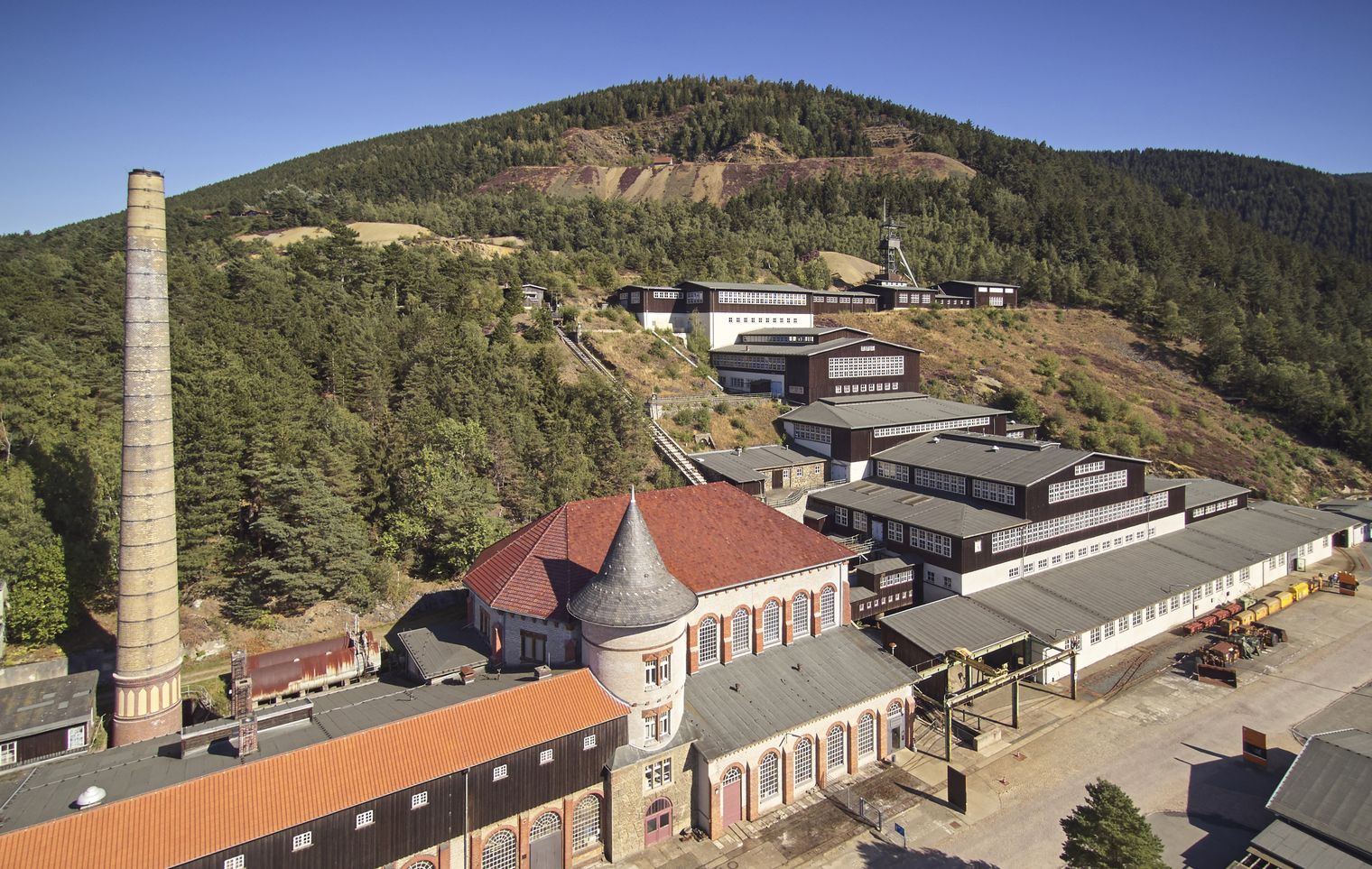
Unique mining monuments characterise the Rammelsberg. It’s the only mine in the world with continuous ore extraction lasting for over a thousand years. Together with the imperial city of Goslar and the Upper Harz Water Management System, the world’s largest and most significant pre-industrial energy supply system, it forms a fascinating triad of technological and cultural history. 

© Stefan Sobotta, Stefan Sobotta / VISUM

Old Town of Quedlinburg

The over 1,000-year-old town on the edge of the Harz

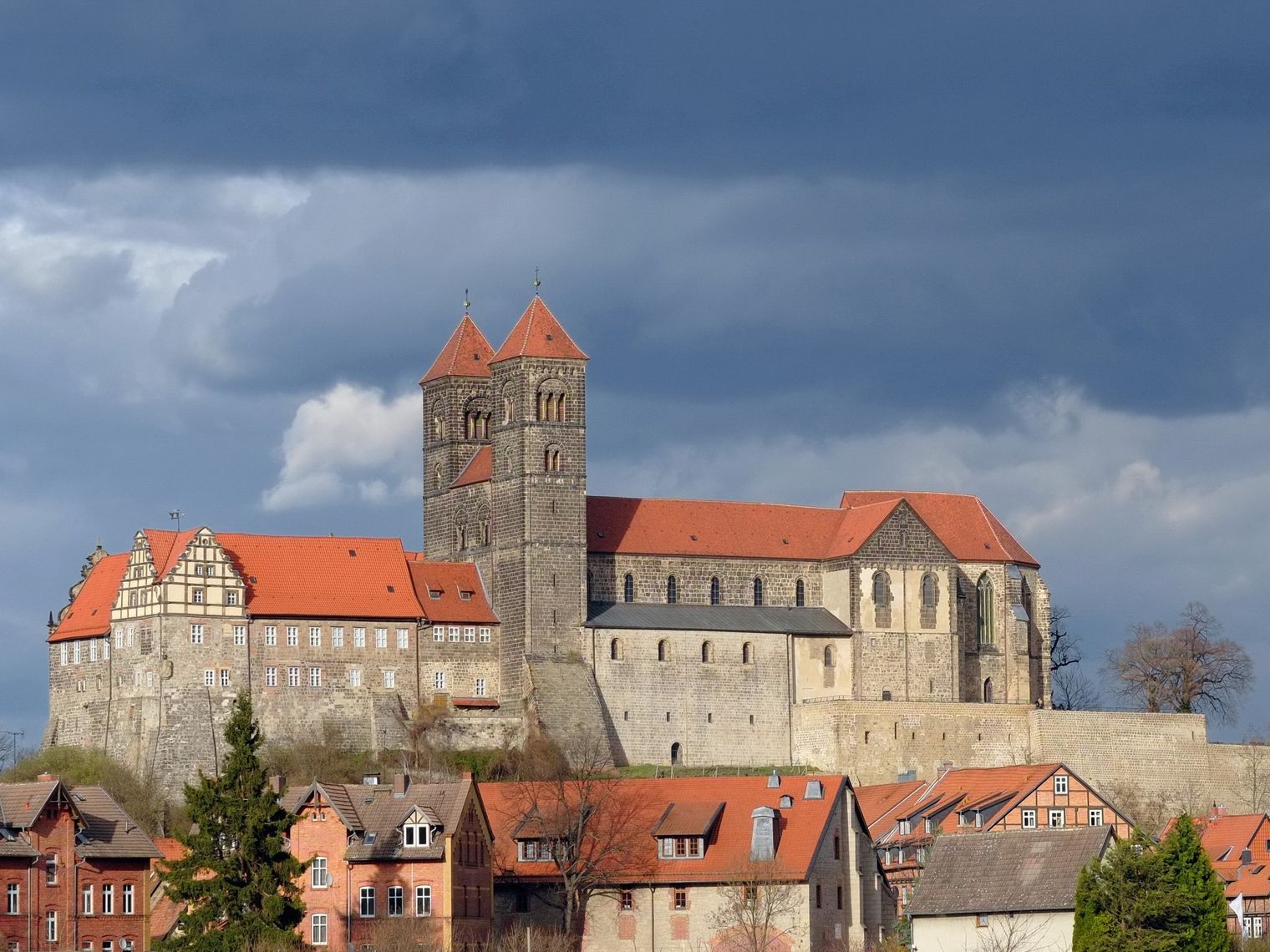
The over 1000-year-old town of Quedlinburg lies on the north-eastern edge of the Harz Mountains. Its Romanesque buildings, 1300 half-timbered houses, and villas from the Gründerzeit and Art Nouveau periods tell the story and culture of past eras. The Collegiate Church of St Servatius in Quedlinburg has been recognised by UNESCO as an "architectural masterpiece of Romanesque art". It houses one of the most valuable church treasures of the Middle Ages. According to legend, it was here that Henry I, the first king of the Holy Roman Empire of the German Nation, was offered the crown. The old town itself is regarded by UNESCO as an "outstanding example of a European medieval town". Around 800 houses in the city centre are listed as individual monuments. The "Old Klopstock" can also be found here, a half-timbered building named after one of Quedlinburg's famous sons, the ode poet Friedrich Gottlieb Klopstock. With its built-up historic centre covering almost 90 hectares, Quedlinburg and its buildings from all stylistic and historical periods are among the largest architectural heritage sites in Germany.

Stiftskirche Quedlinburg Süd-West
© Elmar Egner M.A.

LutherMuseums Eisleben

Experience Martin Luther’s hometown

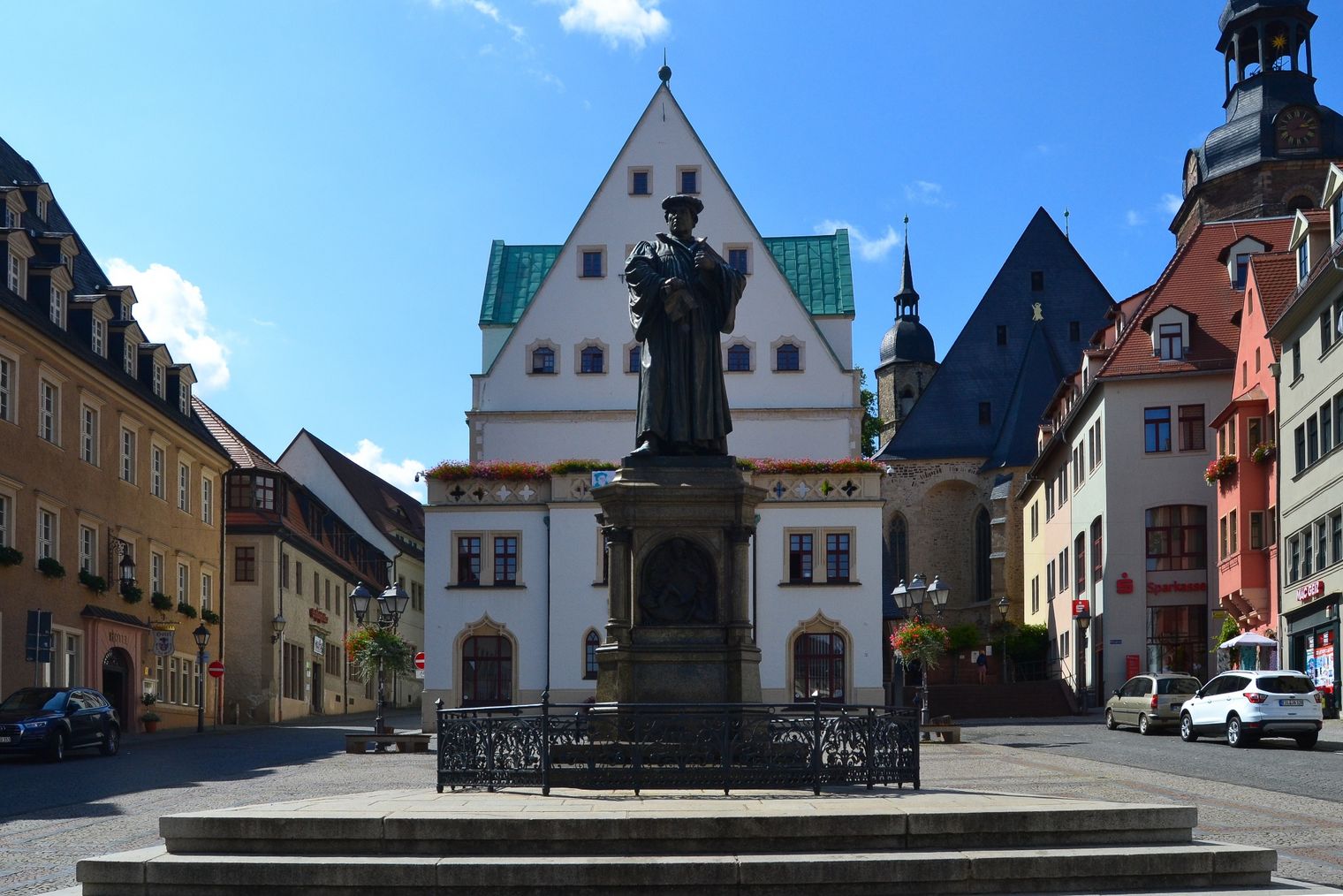
The over 1000-year-old Lutherstadt Eisleben is the hometown of Martin Luther and lies surrounded by the gentle hills of the Mansfeld region in the eastern foothills of the Harz Mountains. The Luther Memorials in Eisleben have been part of the UNESCO World Heritage since 1996. They represent a "significant period in human history and are of outstanding universal value as authentic sites of the Reformation." Luther's birthplace in Eisleben traces the stages of his life and offers insights into the reformer's origins and childhood. In 13 rooms, the social conditions that shaped Luther’s youth are presented. His death house was reopened as a museum with a new exhibition in September 2012. In St Peter and Paul’s baptismal church, the “Luther baptismal font” keeps the memory of Luther’s baptism alive, and in St Andrew’s Church, Martin Luther gave his last four sermons and ordained two pastors. His body was also laid out here before being transferred to the Castle Church in Wittenberg. The "Lutherweg Eisleben" connects the Luther sites and churches of the town. On the last Sunday in August, a community walk takes place here.

© IMG Sachsen-Anhalt / 4iMEDIA GmbH
Harzkristall | CC-BY

Intangible Cultural Heritage

Manual glass production at the Harzkristall glass manufactory

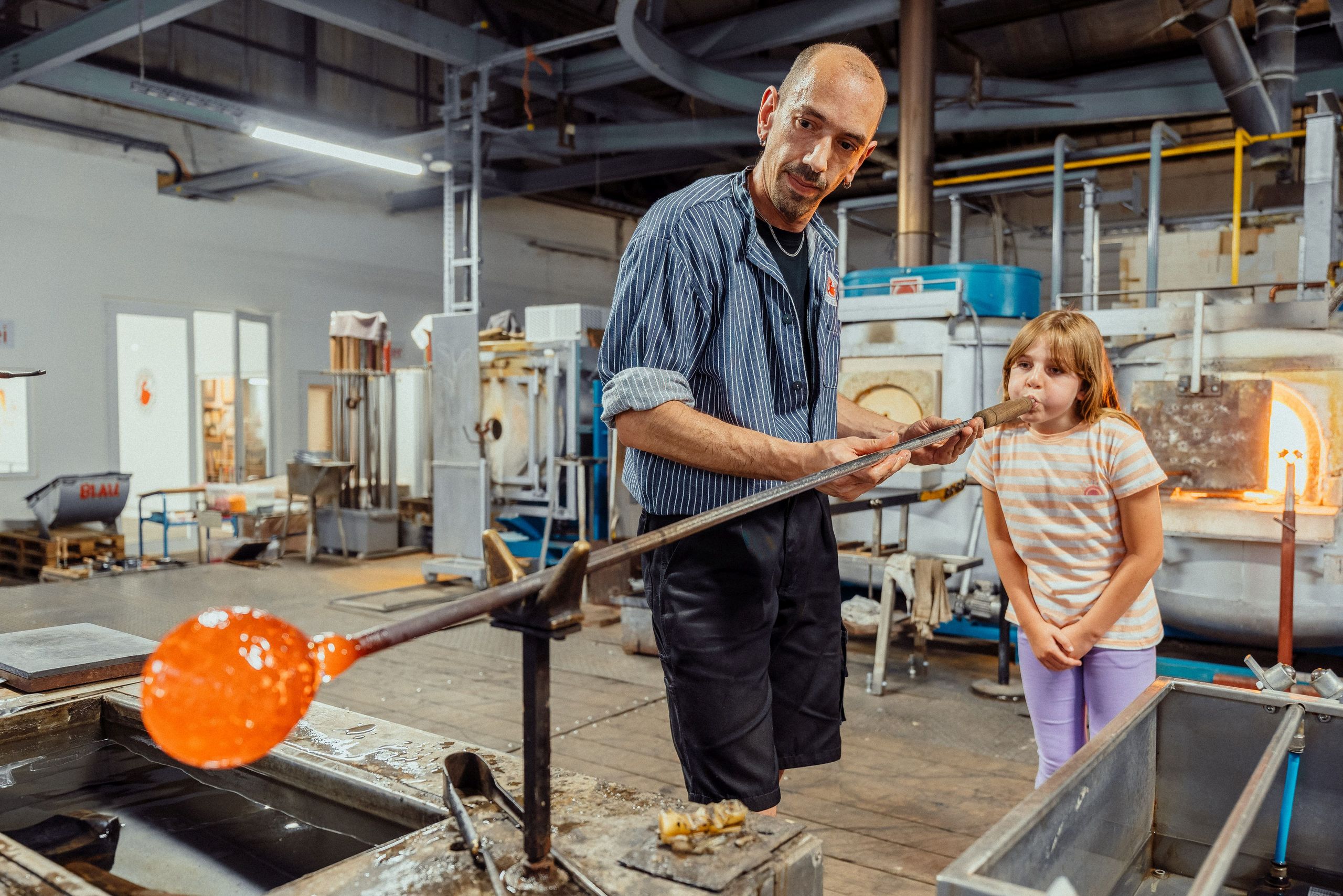
The knowledge of manual glass production and the skills of glassmakers are preserved, passed on, and further developed at the Harzkristall Glass Manufactory. At the manufactory, this knowledge is shared with many visitors, both young and old, in various ways. During the guided experience tour, visitors learn about the craft at several stations, including a live production demonstration at the melting furnace. Through different creative activities, such as the glassmaking course, decorative ball blowing, or glass casting, visitors also have the opportunity to take part themselves and work directly with the glass. With the new educational trail in the glassworks garden, young visitors can playfully discover interesting facts about the craft with a riddle pass.

Other Harz traditions that belong to the Intangible Cultural Heritage include the Finkenmanöver (finch manoeuvre) held between April and June in eight different places in the Harz, as well as the Grasedanz (grass dance) in Hüttenrode and Neuwerk, where the work of women has been appreciated for over 100 years.

Luftaufnahme der St. Petri Paul Kirche, Lutherstadt Eisleben
IMG Sachsen-Anhalt / 4iMEDIA GmbH | CC-BY-SA

More World Heritage Sites

in Lower Saxony and Saxony-Anhalt

Fagus Factory, Alfeld-Hannover: Built in 1911 by Walter Gropius, it is considered the original building of modernism with its innovative steel and glass architecture.

Bauhaus Dessau: A revolutionary school of design that shaped the architecture, design, and art of the 20th century.

Dessau-Wörlitz Garden Realm: Enlightenment landscape design combining art, education, and economy.

St. Michael’s, Cathedral and Cathedral Treasure, Hildesheim: An important early Romanesque church ensemble with unique medieval furnishings.

Luther Memorials, Lutherstadt Wittenberg: The largest Reformation museum, with original items such as Luther’s table, pulpit, and monk’s robe.