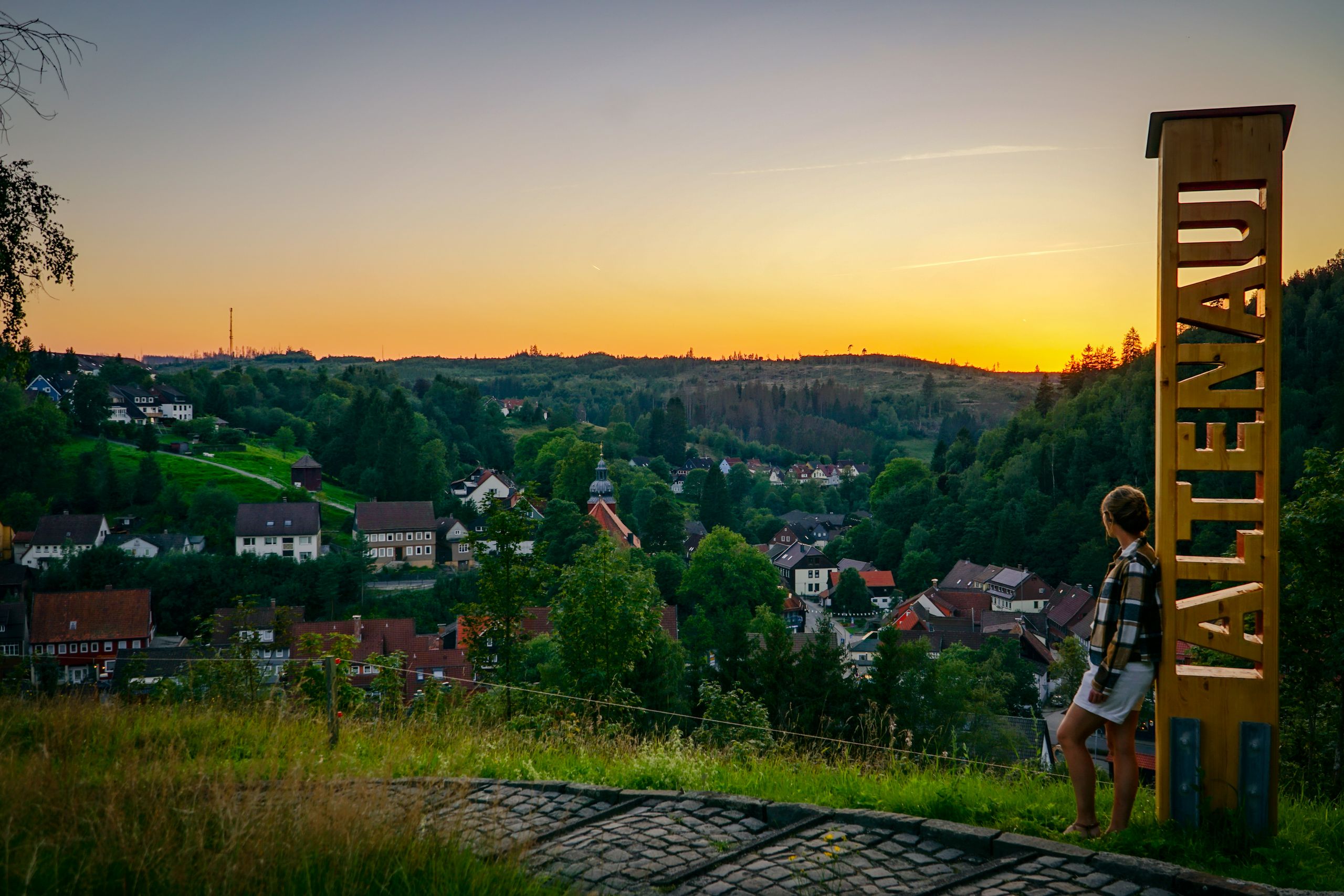
The formerly independent mountain town of Altenau, along with its district of Torfhaus, is situated at an elevation of 420 to 928 meters above sea level in the Upper Harz region.
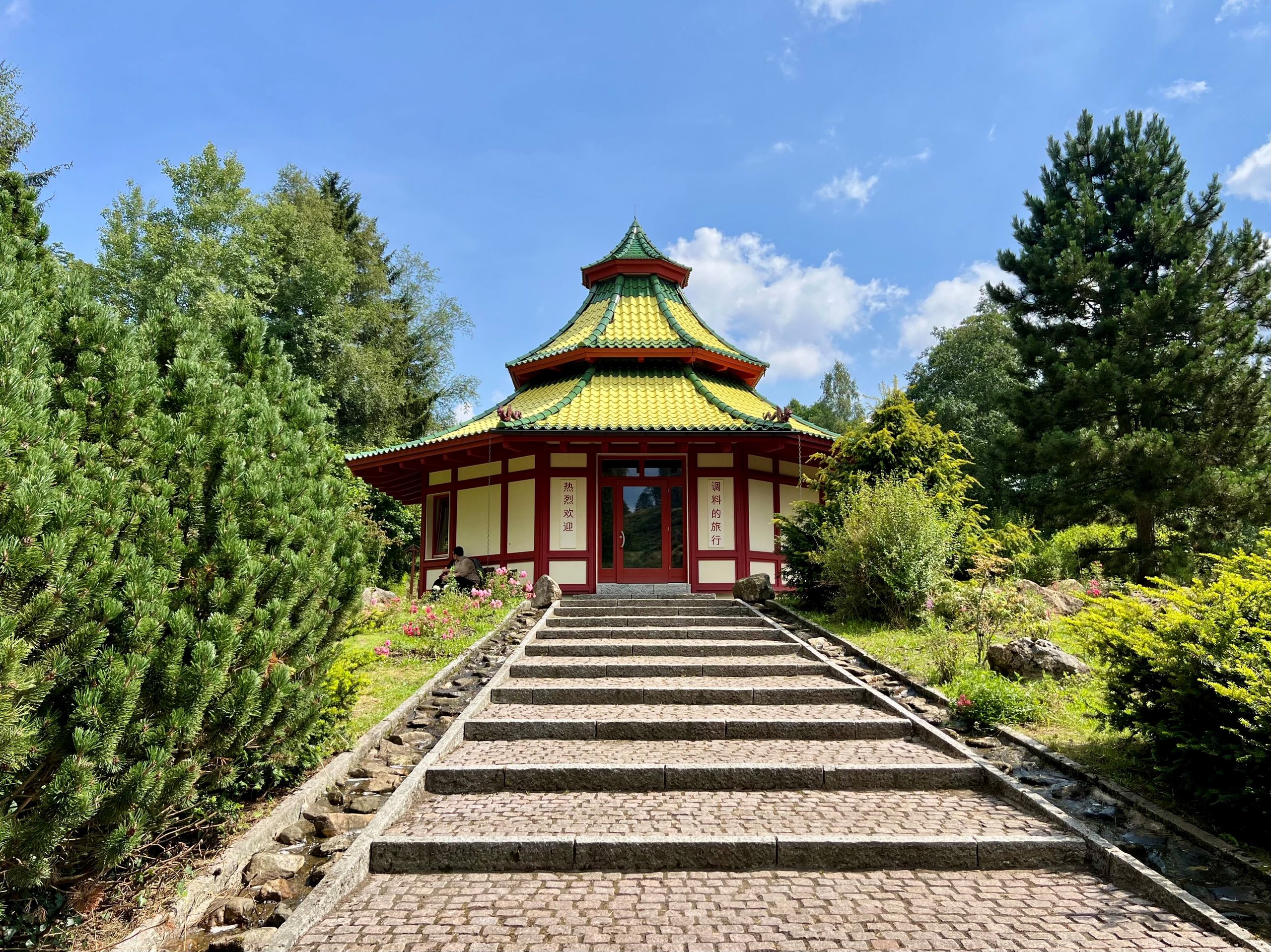
Since the opening of what is likely Europe’s largest herb adventure park—complete with a spice gallery—herbs and spices have become firmly established in Altenau. You’ll see them everywhere in town, such as in the planted “Würzeln©.” In the Herb Experience Park, you can discover native and exotic herb plants as well as spice blends. The Crystal Sauna Spa “Heißer Brocken” rounds out the offerings of this health resort known for its therapeutic climate. In the heated indoor and outdoor pools, you can relax in brine concentrations ranging from 1.5 to 12 percent; in the sauna area, too, herbal infusions straight from the herb park create special scents.
Altenau is the gateway to the national park and is situated between commercial forests and the Harz National Park, where nature is largely left to its own devices. Well-maintained and signposted trails lead through both areas. If you enjoy hiking, the Harzer-Hexen-Stieg or the Goetheweg will take you up to the Brocken summit. The Herzweg, with its interactive stations, and the disc golf course offer plenty of variety, especially for families.
For mountain bikers, the trail network of the Volksbank Arena Harz is accessible. At the “DSV Nordic Aktiv Walking Center,” you’ll find three certified Nordic walking trails. In the summer, you can cool off in the “Okerteich” swimming pond on the outskirts of town.
In winter, Altenau and Torfhaus offer cross-country ski trails, winter hiking trails, a ski slope with a pony lift, and a groomed toboggan run. Torfhaus, the highest-elevation village in Lower Saxony, is also a popular starting point for hikes to the Brocken, the Wolfswarte, and through the Großes Torfhausmoor. You can find more information on the winter sports page for Altenau and Torfhaus.
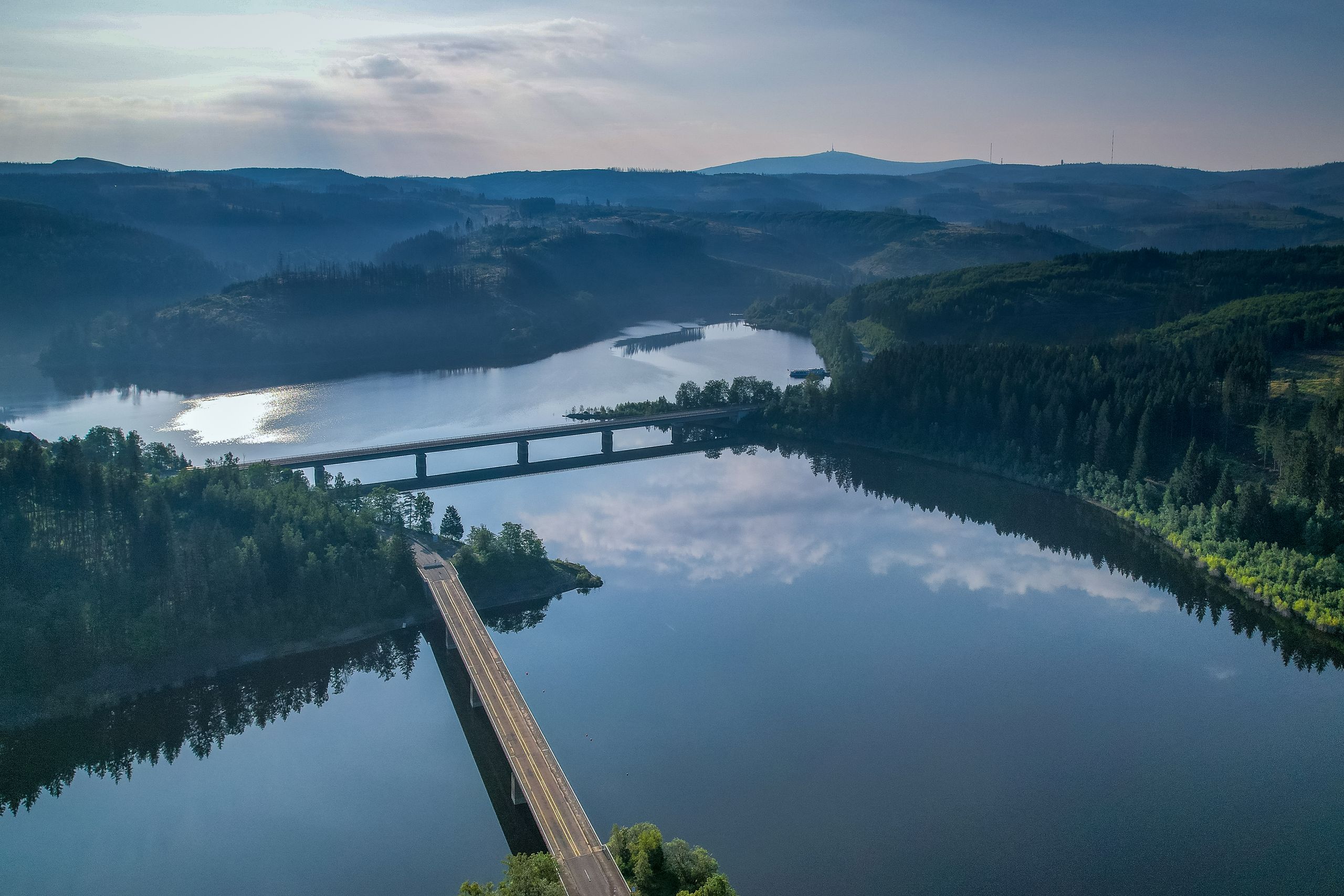
The village of Schulenberg, which belongs to Altenau, was established in 1954 after the villages of Unter- and Mittelschulenberg were flooded during the construction of the Okertalsperre dam. Today, the village lies on a plateau above the dam. Legend has it that the spire of the sunken village’s church can sometimes be seen in the water and the ringing of its bells can be heard.
The Okertalsperre reservoir covers nearly two square kilometers, is up to 65 meters deep, and is surrounded by forest. There, you can sail, swim, surf, or go canoeing.
Another attraction is the Racepark Schulenberg on the Wiesenberg. Here you’ll find downhill runs, trails, and a lift for you and your bike. The area is also a great starting point for exploring the trail network of the Volksbank Arena Harz.
Along the Sculpture Trail and the Fitness Trail, you’ll find wooden sculptures, rocks typical of the Harz region, and benches where you can rest and enjoy the view of the Brocken. The trail combines the Harz’s natural beauty with art.